
The Hormone Conversation Women Can No Longer Ignore
BEAUTY, WELLBEING & PARENTHOOD


International Women’s Day is a call to action for accelerating gender parity, yet for women to truly succeed and thrive, there is one crucial element often overlooked: hormone health. Hormone changes occur at key points throughout a woman’s life, but their physical and emotional impact is frequently dismissed or minimised. Period pain is often seen as “women’s troubles,” postpartum hormonal changes are brushed off as “baby blues,” and perimenopause or menopause is treated as something women simply have to endure.
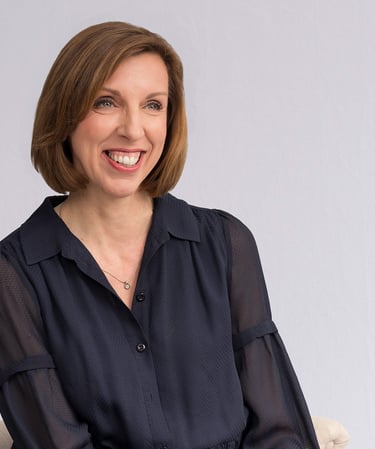
Hormone expert and bestselling author Dr Louise Newson believes these outdated narratives need to change. Unaddressed hormone changes can affect exam performance, lead women to leave careers they have worked hard to build, and strain personal relationships. Prioritising hormone health is not only vital for wellbeing but makes economic sense, allowing women to fully contribute their skills and expertise to society.
How hormones influence health and happiness
Hormones are chemical messengers that regulate growth, metabolism, emotions, sexual and reproductive function, sleep and blood pressure. They influence everything from falling in love and bonding with others to motivation, productivity and emotional wellbeing.
It is often only when key hormones—estradiol, progesterone and testosterone—are depleted that their importance becomes clear. Deficiencies in these hormones, common during perimenopause and menopause, can lead to brain fog, anxiety, joint and muscle pain, urinary problems and a range of long-term health risks. These symptoms can impact careers, relationships and overall quality of life.
The hormone treatment gap
Hormone replacement therapy (HRT) can restore these essential hormones, yet only around 15 per cent of menopausal women in the UK are prescribed it. Rates are even lower in areas of deprivation and among certain ethnic minority groups, leaving many women with symptoms that could be easily treated.
While body identical hormones—chemically identical to the hormones produced naturally in the body—are theoretically available on the NHS, many women struggle to access the right type or dose for their needs.
Closing the knowledge gap
One key reason women are underprescribed HRT is a lack of awareness about the wide variety of hormone-related symptoms. Another is the limited knowledge among healthcare professionals about the differences between synthetic and body identical formulations.
Hormone health education for healthcare professionals is still lacking, which has real consequences for women’s health. Dr Newson’s 2022 survey of 5,744 women found that 39 per cent were offered antidepressants instead of HRT as first-line treatment, despite antidepressants being inappropriate for hormone-related low mood.
The same knowledge gap affects contraception. Body identical contraception is available in the UK, yet many women are unaware of it. Most contraceptives labelled as containing estrogen or progesterone in fact use synthetic versions, which differ chemically from the natural hormones. Currently, Zoely is the only body identical combined oral contraceptive available in the UK, though it still contains a synthetic progestogen.
Time and access
Another barrier is time. Standard GP appointments last around 10 minutes, which is rarely enough to discuss hormone-related symptoms or treatment options in detail. Women must often advocate for themselves and come prepared with knowledge to ensure they are involved in decisions about their healthcare.
How women can advocate for their hormone health
Track your symptoms: Tools such as Dr Newson’s free Balance app allow women to monitor their periods, symptoms and hormone changes. This information can be used to create a detailed health report for appointments.
Be aware of all stages of hormone change: Hormone fluctuations are not limited to menopause—they occur throughout life, from periods to postpartum and perimenopause. Tracking these changes empowers women to take control of their health.
Understand hormone differences: Body identical hormones match the natural hormones produced in the body and are generally safer than synthetic alternatives.
Ask questions and seek second opinions: Women have the right to be fully involved in decisions about their treatment. If a healthcare professional is reluctant to prescribe HRT or body identical contraception, it is appropriate to ask why and explore alternatives.
Share knowledge: This year’s International Women’s Day theme, “Give to Gain,” emphasises the power of women supporting each other. Talking openly about hormone health can help end the decades of underfunding and ignorance around women’s health.
Looking ahead
Dr Louise Newson is touring the UK in 2026 with her new series, Breaking the Cycle: The Power of Hormones. More information can be found at https://www.drlouisenewson.co.uk/tours-events/breaking-the-cycle.
Ollēdi © 2026
Reframe your inbox
Subscribe to our newsletter and never miss a story.
We care about your data in our privacy policy.