
'The Hardest Part Is Not Letting Go, It Is Knowing When': How Small Moments Build Big Independence in Children
BEAUTY, WELLBEING & PARENTHOOD

Watching a child walk into school without turning back to wave, seeing them navigate their first sleepover, or listening to them confidently order their own meal at a restaurant can be a bittersweet experience for parents. For children, these are thrilling first tastes of autonomy. For parents, they are quiet, emotional realisations that childhood is moving forward.
New research has revealed that childhood independence is not shaped by a single defining milestone, but rather by a series of small, everyday experiences that gradually build a child's confidence, resilience, and self-belief. The study, which surveyed 1,000 UK parents and 1,000 children aged 10 to 15, has launched the UK's first Childhood Independence Index. The findings highlight a profound truth about growing up: at the heart of independence is trust.
The data suggests that children do not simply want unlimited freedom. Instead, they want the chance to prove they are ready for responsibility. More than four in 10 children (41%) stated that being trusted by their parents is what makes them feel truly independent, while over a third (36%) cited confidence as the biggest factor in feeling ready to tackle new experiences. Whether it is spending pocket money or making small solo decisions, these opportunities allow children to build vital self-worth.
The emotional impact on parents is equally significant. Many respondents recalled realising their children were growing up during seemingly ordinary moments, such as the day a child no longer wanted to hold their hand in public.
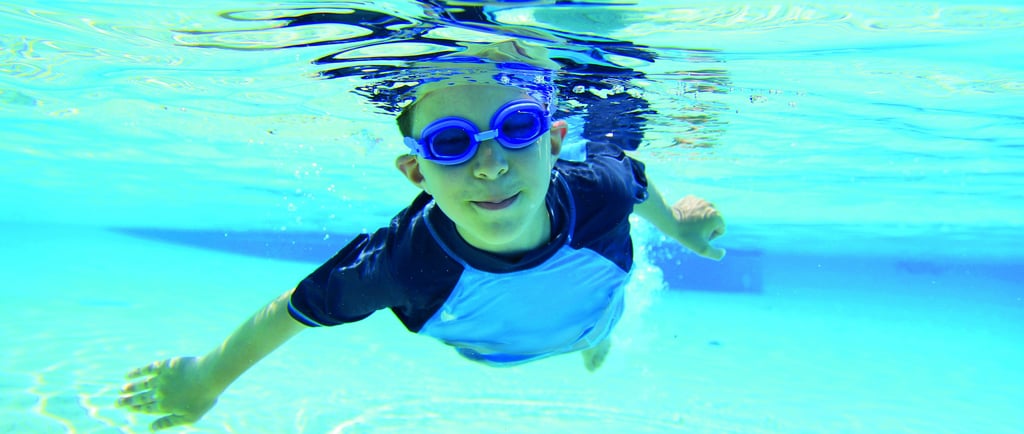
To explore these ideas further, TV presenter Josie Gibson sat down with a group of younger children aged four to eight to find out what makes them feel like "big kids." Their answers were often humorous and unexpected, yet they consistently returned to the core theme of trust. While some spoke proudly of learning to swim or ride a horse, others found maturity in managing their own money, with one financially savvy seven-year-old even expressing a desire to invest his pocket money into Premium Bonds. Underneath the humor, the sentiment was clear: children thrive when they are given the space to be trusted.
Interestingly, the study highlights that family holidays often serve as a gentle, reassuring stepping stone toward this autonomy. Away from the strict routines of daily life, 58% of parents admit they feel more comfortable granting their children greater independence while abroad, and 77% say they relax everyday rules.
This environment clearly benefits the younger generation, with nearly two thirds (63%) of children reporting that holidays make them feel more independent. Travel provides a unique sandbox for development, offering safe opportunities to try new foods, make new friends, and take on small responsibilities.
According to the children surveyed, there is a clear timeline for when they feel ready to take on specific real-world milestones.
Walking around a holiday resort alone – age 7
Staying at a friend's house – age 8
Staying out later with friends – age 9
Travelling short distances alone – age 9
Walking to school alone – age 10
Going into a shop alone – age 10
Staying home alone briefly – age 10
Going shopping with friends – age 10
Spending pocket money independently – age 10
Getting a first mobile phone – age 10
Ultimately, the research underscores that letting go is a gradual process. By recognizing and celebrating these minor triumphs, parents can help their children step confidently into the wider world, one small boundary at a time.
Research was commissioned by TUI among 1,000 UK parents and 1,000 children aged 10–15. The study explored attitudes towards childhood independence, confidence and parental trust. For more information, please visit: About TUI UK&I
Ollēdi © 2026
Reframe your inbox
Subscribe to our newsletter and never miss a story.
We care about your data in our privacy policy.