
The Forgotten Super Nutrient: Fibre Is Back
FOOD & DRINKFERTILITY, PREGNANCY & POSTPARTUMBEAUTY, WELLBEING & PARENTHOOD
For years, protein dominated the conversation around nutrition. Social media was filled with advice encouraging people to increase their protein intake for stronger muscles, healthier skin and better immunity. Now, however, another nutrient is stepping back into the spotlight. This time it is something far more familiar. Fibre.
Although fibre has been part of nutritional advice for decades, it was once associated mainly with digestive regularity. In the 1970s the message was simple. Eat more roughage. High fibre breakfast cereals promised to keep the digestive system moving smoothly, and that was largely where the conversation ended.
Today, fibre is being rediscovered for a much wider range of benefits. As interest in gut health has grown, scientists and nutrition experts have begun to understand just how central fibre is to our wellbeing. At the same time, the rise of GLP-1 weight loss medications has also renewed attention on the nutrient. These medications slow down digestion in order to reduce appetite, but that slower digestive process can sometimes lead to constipation. Fibre, which supports healthy digestion, can help address that problem.
Despite its growing reputation, fibre remains surprisingly absent from many modern diets. The recommended intake for adults in the UK is around 30 grams per day, yet only a small proportion of people actually reach that amount. In fact, research suggests that the vast majority of adults consume far less fibre than they should. For many health experts, this gap represents a hidden but significant issue in public health.
The story of fibre’s importance stretches back several decades. In the 1960s, British surgeon Denis Burkitt began studying patterns of disease while working in Uganda. He noticed that rural communities eating traditional diets high in plant foods experienced very different health outcomes compared with people living in industrialised countries. Conditions that were increasingly common in the West, including bowel cancer, heart disease, type 2 diabetes and obesity, appeared far less frequently in populations consuming high fibre diets.
At the time, scientists knew little about the complex ecosystem of microbes that live inside the digestive system. Today that ecosystem is known as the gut microbiome, and it has become one of the most fascinating areas of modern health research. Fibre plays a central role in supporting it.
Unlike many other carbohydrates, fibre is not fully digested by the body. Instead it passes through the digestive system where it becomes food for beneficial gut bacteria. When these microbes break fibre down through fermentation, they produce compounds that support gut health and influence processes throughout the body.
Most plant foods contain a combination of two main types of fibre. Soluble fibre dissolves in water and forms a gel-like substance during digestion. It is found in foods such as oats, beans, pulses, barley and fruit, and it can help regulate blood sugar levels and support healthy cholesterol. Insoluble fibre, which is present in wholegrains, nuts, seeds and the skins of fruit and vegetables, adds bulk to the digestive system and helps keep food moving smoothly through the gut.
Some fibres offer additional benefits because they are particularly attractive to gut bacteria. These are known as prebiotic fibres. Foods such as leeks, onions, garlic, apples, bananas, oats and pulses contain these fermentable fibres that nourish the microbiome. Cooked and cooled potatoes can also provide them. However, people with digestive conditions such as irritable bowel syndrome may find that highly fermentable fibres trigger symptoms, so individual tolerance can vary.
Increasing fibre intake does not necessarily require dramatic changes to the diet. Often the most effective approach is simply to eat a wider variety of plant foods. Plants include far more than fruit and vegetables. Cereals, grains, beans, lentils, herbs, spices, nuts and seeds all contribute valuable forms of fibre. Even small additions can make a noticeable difference.
Traditional foods offer a good place to start. Sourdough bread, for example, has a long history stretching back thousands of years. The slow fermentation process used to make it allows natural yeasts and bacteria to break down components of the grain, improving flavour and digestibility. This slower process also reflects a broader connection between soil, agriculture and nutrition, highlighting how the way food is grown can influence its nutritional value.
Pulses, including beans, lentils and peas, are another important source of fibre. They are naturally rich in plant protein and provide essential nutrients such as iron, magnesium, zinc and B vitamins. From an environmental perspective, pulses also support soil health. As nitrogen fixing crops, they help return nutrients to the soil, reducing the need for synthetic fertilisers.
In the UK, one pulse with a long history is the fava bean. Once widely eaten, it later fell out of favour and was used more commonly as animal feed. Today it is experiencing something of a revival. Fava beans can be used in a range of dishes, from stews and curries to dips and spreads, and they provide a naturally gluten free way to add thickness and texture to meals.
Despite their benefits, pulses are still underused in many British diets. Research suggests that a significant number of people eat beans only once a week, and many children receive most of their bean intake from baked beans alone. Increasing the variety and frequency of pulse based meals could make a substantial difference to fibre consumption.
Adults typically need around 30 grams of fibre each day, while children require slightly less, around 18 grams. Yet most people still fall short. Fortunately, boosting fibre intake can be surprisingly simple. A bowl of oats at breakfast, a spoonful of chia seeds, a pear eaten with its skin or a portion of peas alongside dinner can all help close the gap.
In many ways, fibre represents a return to the foundations of traditional diets. Long before the science was fully understood, earlier generations relied on plant rich foods that naturally supplied the fibre needed for good health. As modern research continues to uncover the importance of the gut microbiome, that old fashioned advice to eat more plant foods suddenly looks more relevant than ever.
For those looking to bring more fibre into their daily meals, small changes can make a meaningful difference. Nutritionist Dr Lucy Williamson believes the key is not strict dieting but simple, practical choices that add more plant foods to everyday cooking. From fibre rich breakfasts to creative ways of incorporating pulses into familiar dishes, there are plenty of approachable options that fit easily into modern routines. To help readers get started, Lucy has shared several of her favourite recipes that highlight just how delicious and versatile fibre rich ingredients can be.
Overnight Oats and Chia Seeds Soaked with Roasted Rhubarb
This is really two recipes in one as you can also use the dry mix as a lovely muesli! You might want to buy organic oats to help reduce levels of pesticide residues which can play havoc without gut health. This is a lovely way to enjoy our early rhubarb too with its fibre and antioxidants.
Serves 4:
Use a 1L kilner jar.
Oven temperature: 160 degrees
Ingredients:
400ml Milk Kefir
60g chia seeds
a pinch of cinnamon (for sweetness)
Oats and barley flakes (enough to fill 1/3rd of the jar)
A sprinkle each of: Oat bran, ground flaxseed, raisins, mixed seeds and chopped walnuts
1 apple grated (or chop in 2 halves of pear from the tin)
Honey
Salt & Pepper
2 sticks of British rhubarb
Method:
Mix all the dry ingredients together in the kilner jar then add the kefir and grated apple. Give everything a good stir and leave in the fridge overnight. Chia seeds will swell to ten times their size!
Chop the rhubarb and lightly roast in the oven with just a little cold pressed rapeseed oil for 10 minutes or until a bright pink colour. Add a drizzle of honey to it once cooked.

Warming Bowl of Bean Chilli
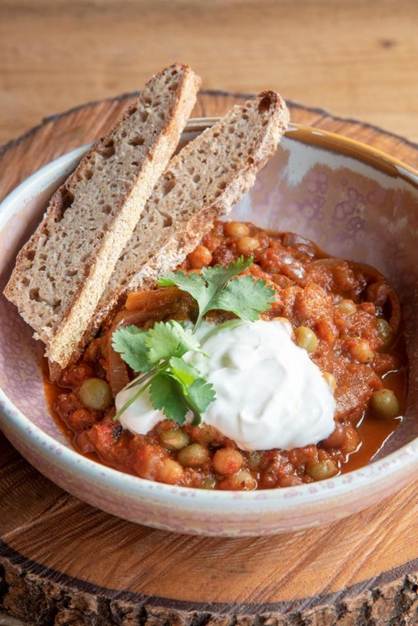
Fabulous plant diversity for gut health packed with beans and pulses, a good source of protein and fibre, while the spices and herbs all count towards your 30 a week!
Serves 4
Prep time 10 mins
Cook time 20 mins (beans need soaking overnight)
Ingredients
150g mixed dried beans eg Red Fox Carlin/ Yellow Pea/ Red kidney
2 small red onions
4 garlic cloves
2 tins chopped tomatoes
2 red peppers
4 fresh chillies, chopped and seeds removed
1 bunch coriander
2 tsp dried coriander
2 tsp dried cumin
2 tsp smoked paprika
Cold pressed rapeseed oil
Method
Soak the dried beans in water overnight. The following day change the water and cook the beans according to instruction.
Thickly slice and grill the red peppers to blacken very slightly.
Slice one red onion and grate two garlic cloves. Sweat down in a pan with a splash of cold pressed rapeseed oil on a low heat.
Add the tomatoes and 50ml of water to the onions. Add the cumin, smoked paprika and salt and pepper to taste.
Blend the fresh chilies with the coriander stalks, 2 garlic cloves and half the red pepper to make fresh chilli paste.
Season the sauce and add the fresh chilli paste. Add the cooked beans and check seasoning again. Slice the remaining red pepper and add in. You may like to add more cumin/paprika to taste.
Serve with chopped coriander leaves and a dollop of Greek yoghurt.
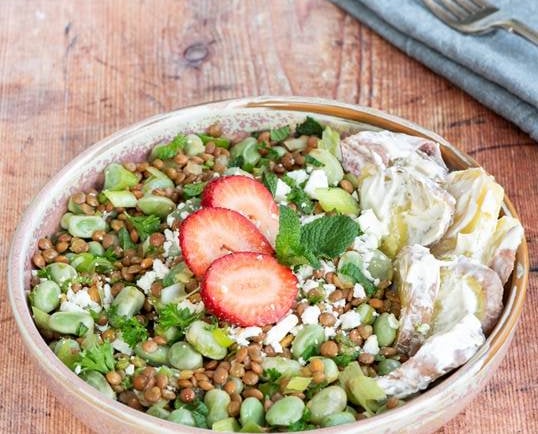
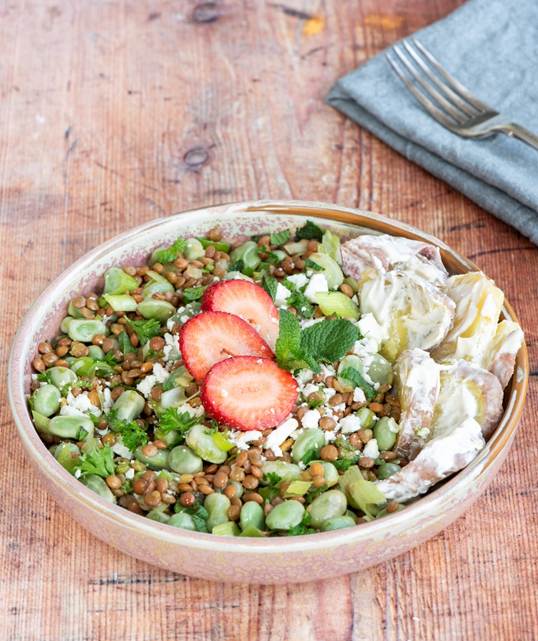
Lentil and Potato Salad
I love being able to vary this salad according to what greens are available and your preferred toppings
Serves 2 as a main or 4 as a side
Ingredients
100g whole coral lentils (these keep their shape really well)
100g quinoa
2 finely chopped spring onions
a few broad beans and/or frozen peas
some chopped cucumber
A few hulled strawberries chopped or sliced if in season
50g feta crumbled
A good grind of sea salt
Fresh herbs - mint & parsley for example
Mixed seeds to sprinkle throughout
4tbsp extra virgin olive oil + 2tbsp raw apple cider vinegar + 1 tsp honey
Optional - added green pesto
For the potato salad:
1-2 large red potatoes or several smaller new potatoes, washed and with the skin kept on
Some chopped Chives
4 tbsp greek yogurt
1 tbsp raw apple cider vinegar
1 tsp tahini
1 tsp honey
Method
Cook the coral lentils until tender - about 15-20 minutes simmering either in salted water or use a nice chicken or vegetable stock. Cook the quinoa according to instructions
Drain and set aside to cool
Cook the peas if using or the beans and plunge straight into cold water so they keep their colour
Mix the lentils, beans, peas, chopped herbs, and spring onions + any other chopped salad you’re using, together. Add mixed seeds if using
Mix the dressing ingredients in a jar (you could also add some green pesto for extra flavour)
Crumble in the feta sliced strawberries are also a nice topping
Enjoy either on its own or with a potato salad made using ingredients above
Silky Smooth Hummus
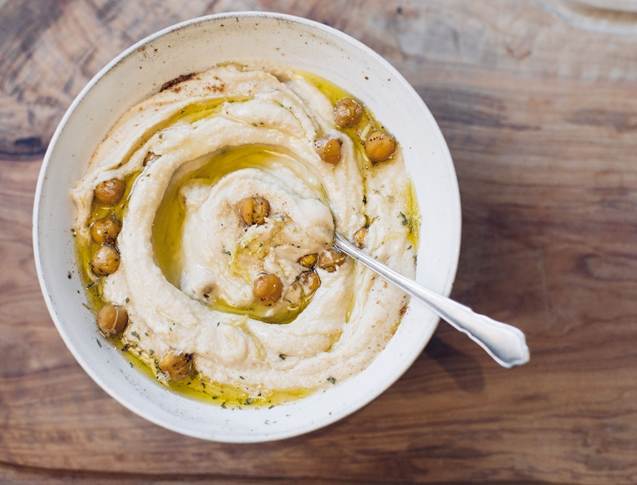
Much cheaper and quicker to whizz up your own hummus! The ingredients are a perfect ‘nutrition match, and you can also use this recipe to make a fava bean hummus too.
Serves: 6 as a dip
Prep time: 15 mins
Ingredients
400g cooked chickpeas (or 100g dried split fava beans)
2 tbsp Tahini
2 tbsp Olive Oil or a garlic infused cold pressed rapeseed oil
Juice of 1 lemon and its zest
1 small clove Garlic
½ tsp ground cumin
Roasted fava beans for serving; check Honest Bean Co or Hodmedod online.
Method
Drain the cooked beans from the jar or tin. (You may want to keep this ‘aquafaba’ and use as you would egg white.) Choosing beans that have been jarred in their cooking stock brings wonderful extra flavour. No need to rinse the beans unless you're trying to reduce their prebiotic fibre to ease digestive symptoms.
Place all the ingredients together in a blender and whizz to a silky-smooth consistency. Using queen chickpeas helps with this. If using a garlic infused oil, leave out the garlic clove.
For a fava bean hummus: bring 100g dried split fava beans to the boil with a generous covering of water. Simmer them for 40 minutes until soft. You may need to top up the water during this time. Rinse and use as above adding a little salt to taste.
Ollēdi © 2026
Reframe your inbox
Subscribe to our newsletter and never miss a story.
We care about your data in our privacy policy.