
The Edwardians Return: Art, Fashion and the Making of a Modern Monarchy
WHAT'S ONTRAVELSPOTLIGHT STORIES
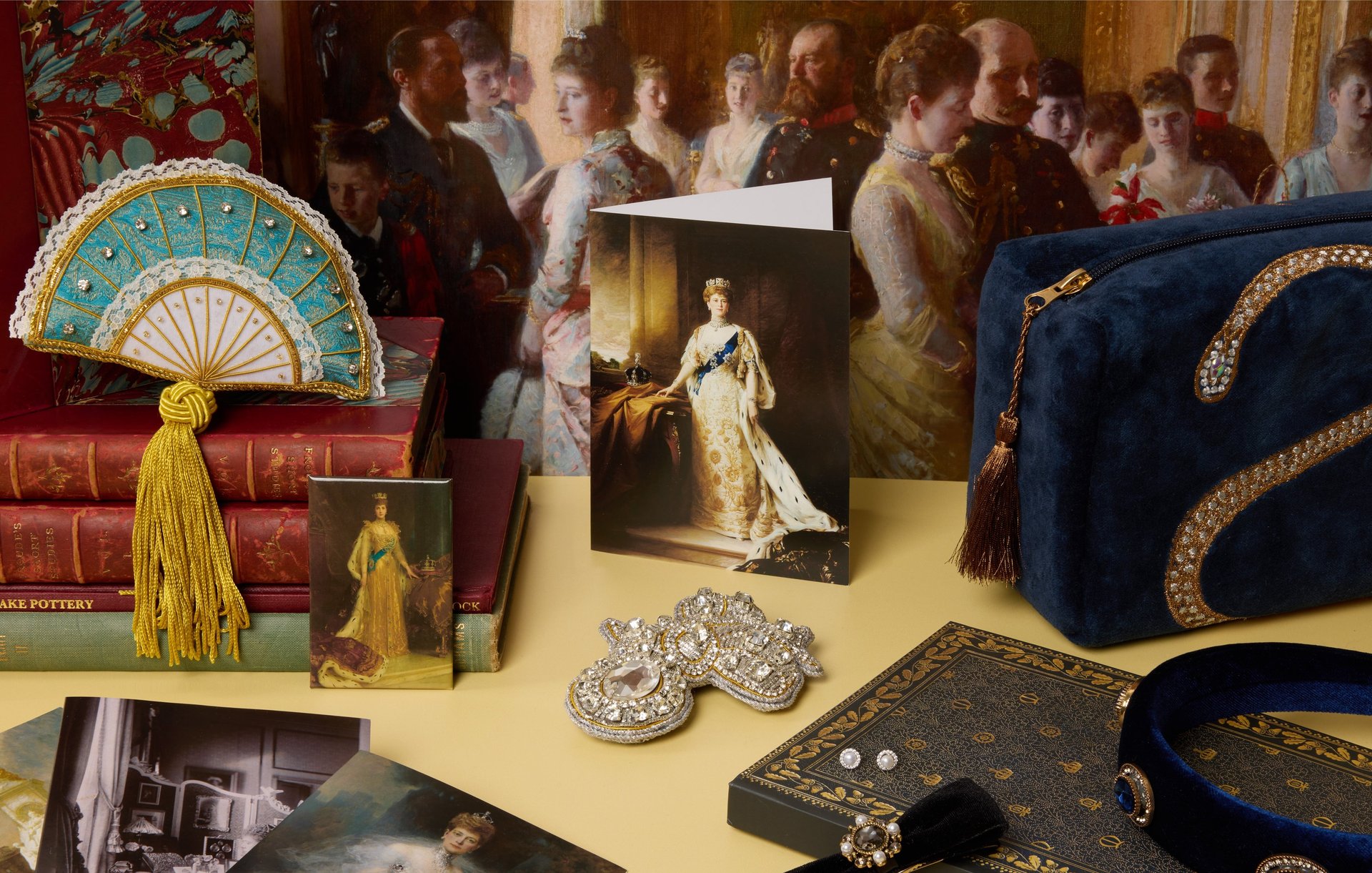
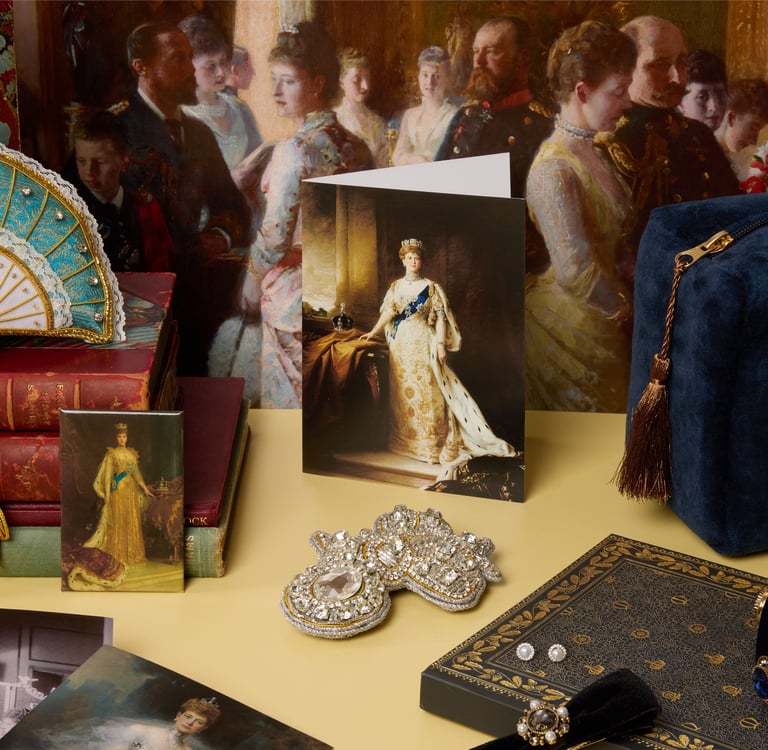
A glittering royal gown designed to shine beneath electric light, rarely seen portraits, and artworks shaped by war and social change arrive in Edinburgh this week as a major exhibition brings the Edwardian era vividly back into focus.
Opening at The King’s Gallery, Palace of Holyroodhouse, The Edwardians: Age of Elegance gathers more than 150 works from the Royal Collection, many displayed in Scotland for the first time. Together, they tell the story of a monarchy navigating glamour, innovation and profound historical transition at the dawn of the twentieth century.
A court redefined
The exhibition centres on two royal couples whose influence reshaped public life and royal image: King Edward VII and Queen Alexandra, followed by their son King George V and his wife Queen Mary.
Their era marked a striking shift from the long shadow of Queen Victoria’s reign. As Victorian restraint faded, a more outward-looking and socially vibrant royal court emerged. Fashion, travel, collecting and artistic experimentation became central to royal identity, reflecting a society embracing modernity while still rooted in tradition.
Visitors are guided through this transformation, from Edward and Alexandra’s marriage in 1863 to the closing years of the First World War in 1918. A multimedia guide narrated by actor Hugh Bonneville helps bring the personalities and ambitions of the period to life.
A coronation designed for modern light
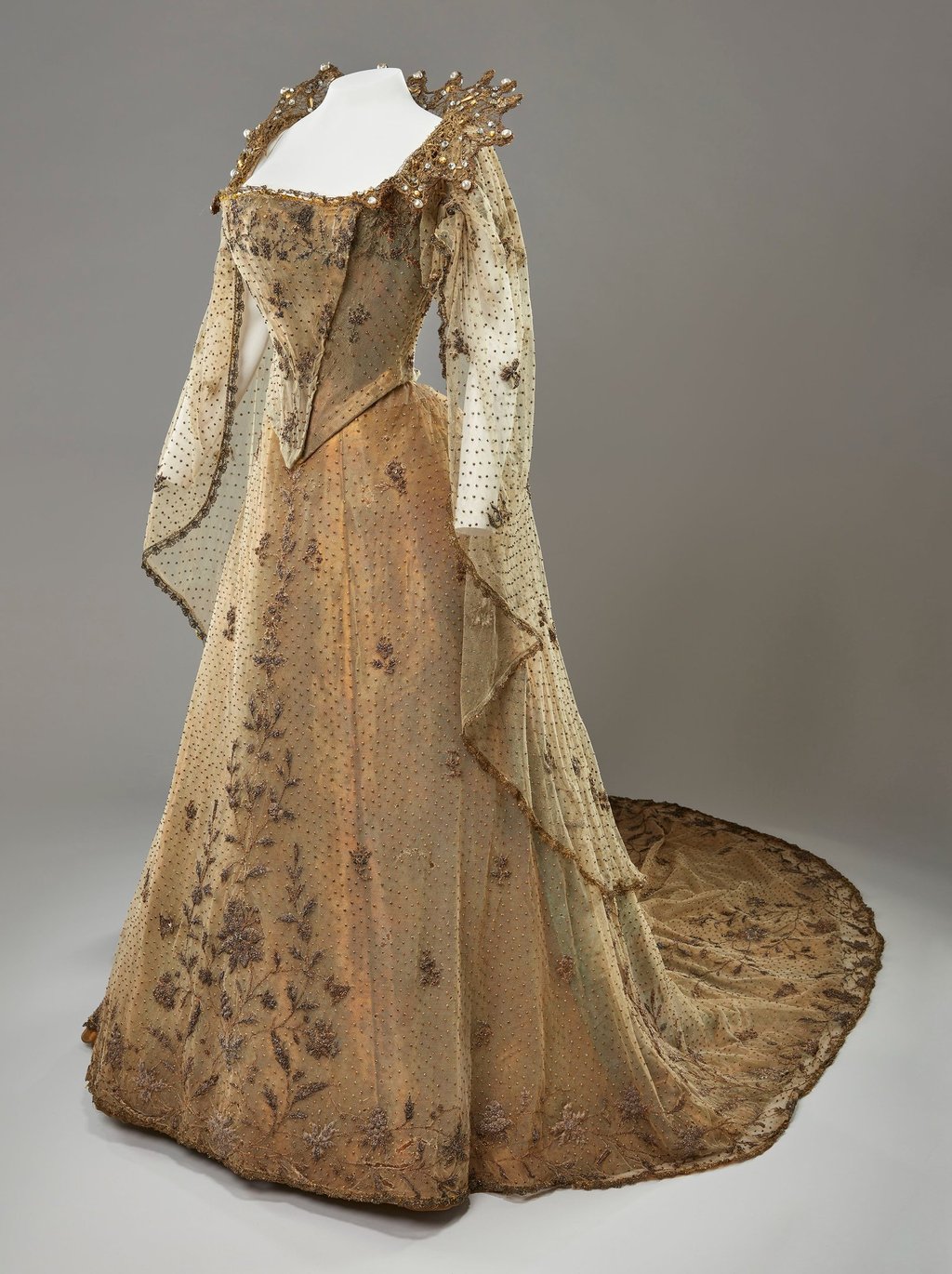
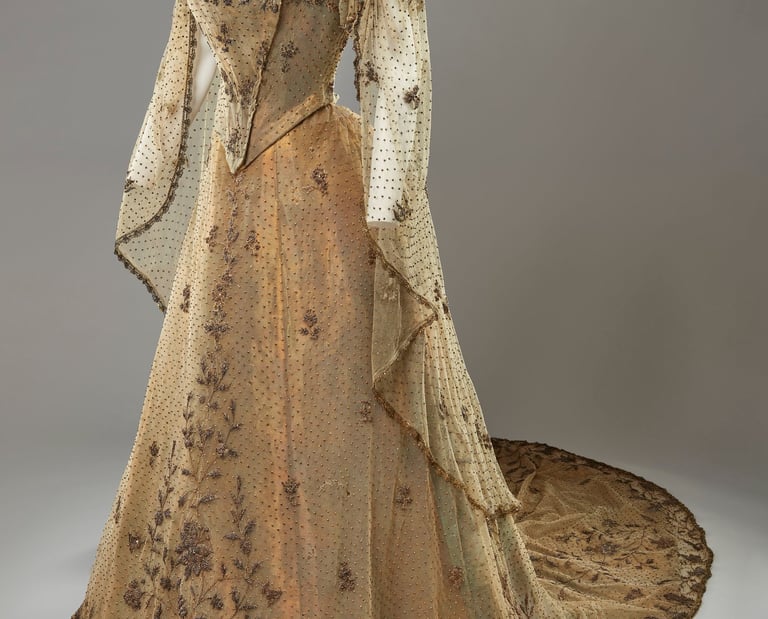
Among the exhibition’s most remarkable objects is the Coronation ensemble worn by Queen Alexandra in 1902, shown in Scotland for the first time. Known for her influence on international fashion, Alexandra chose the Parisian couture house Morin Blossier to create a look that deliberately broke with convention.
Rather than traditional white, the Queen selected shimmering tones and intricate gold embellishment. Thousands of spangles were stitched into the gown so that it would catch the glow of newly installed electric lighting at Westminster Abbey. The result would have appeared dazzling to contemporary audiences, signalling a monarchy willing to embrace technological progress alongside ceremonial tradition.
Conservators devoted more than 100 hours to preparing the fragile garment before its tour beyond London, underscoring both its rarity and its cultural significance.
The dress appears alongside the monumental painting The Anointing of Queen Alexandra at the Coronation of King Edward VII by Danish artist Laurits Tuxen, allowing visitors to see how fashion, ceremony and royal image worked together to shape public perception.
Private taste and artistic ambition
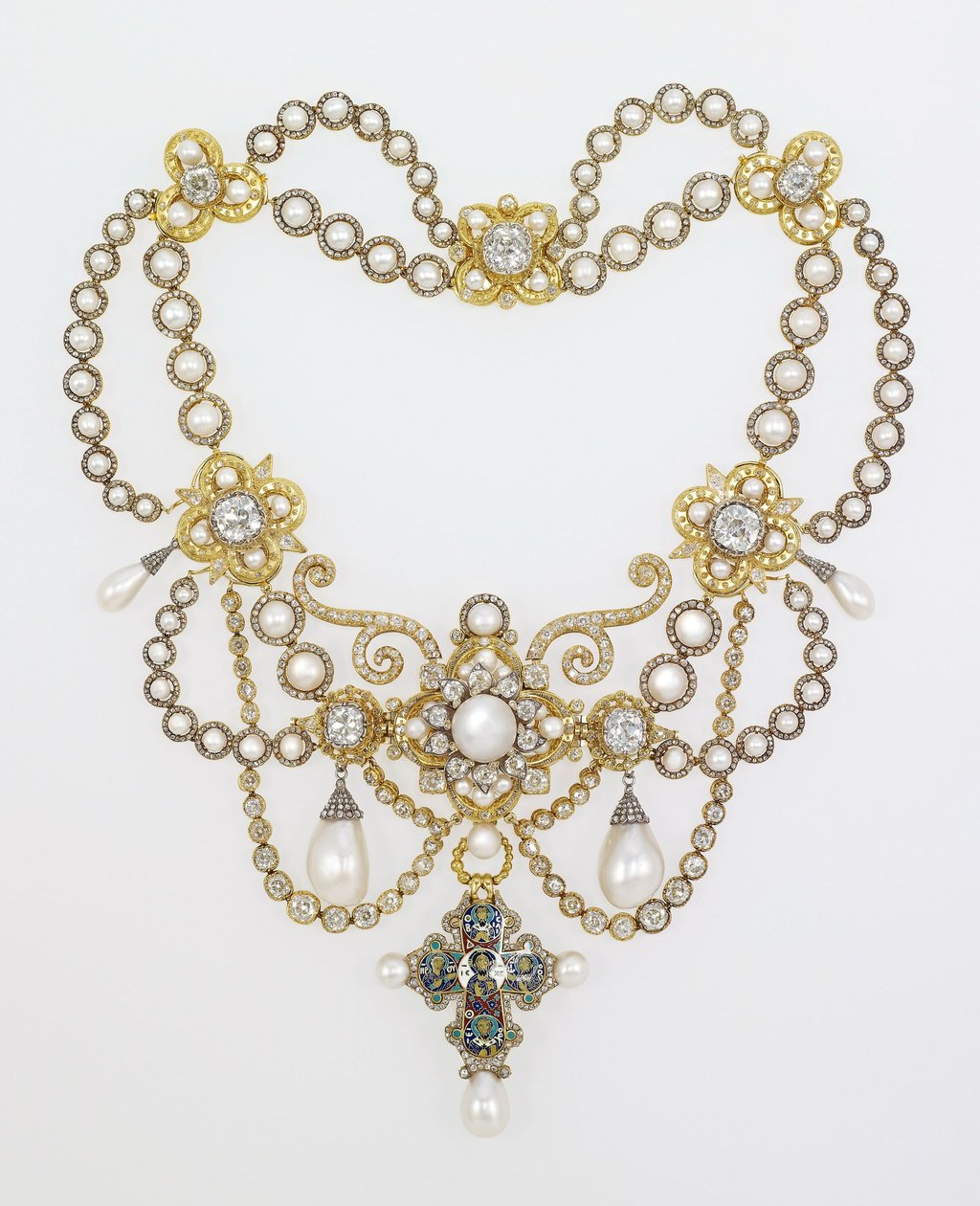
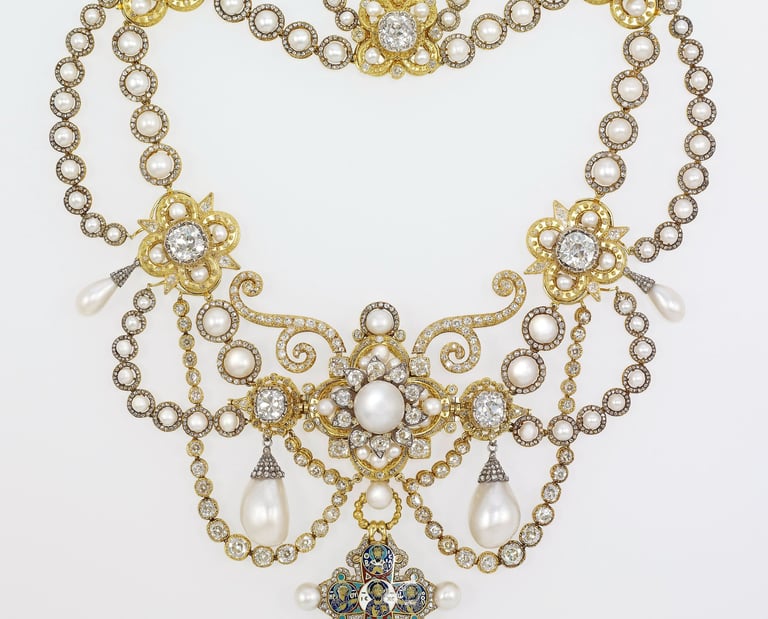
Beyond ceremony, the exhibition explores the more personal world of Edwardian royalty. As Prince and Princess of Wales, Edward and Alexandra cultivated distinctive artistic tastes at their residences, particularly Marlborough House and Sandringham House. Interiors filled with sculpture, silverware, ceramics and exotic plants reflected a cosmopolitan outlook shaped by travel and curiosity.
Works by celebrated designers and makers illustrate the period’s aesthetic richness, including objects associated with Fabergé, Wedgwood and Tiffany & Co..
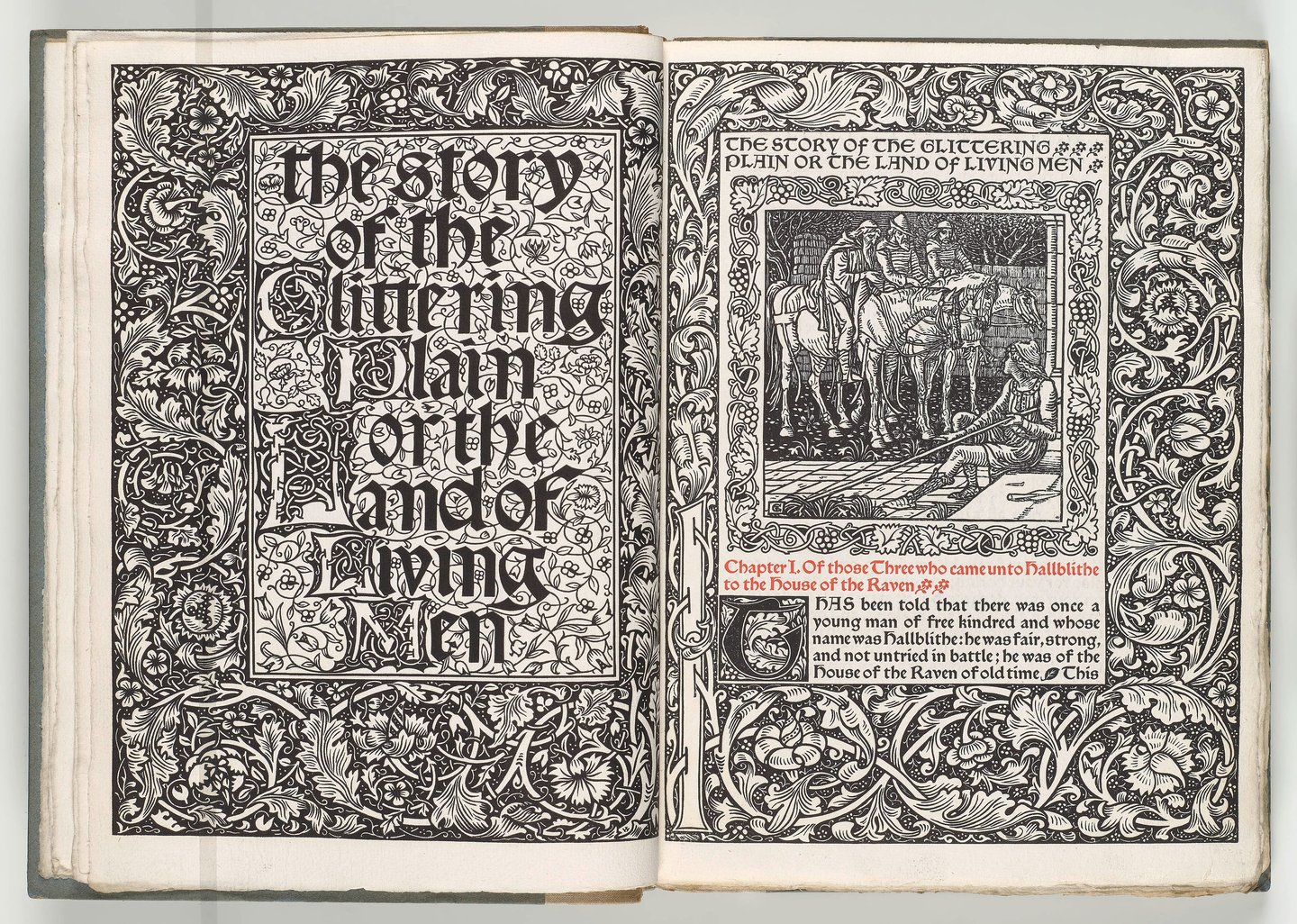
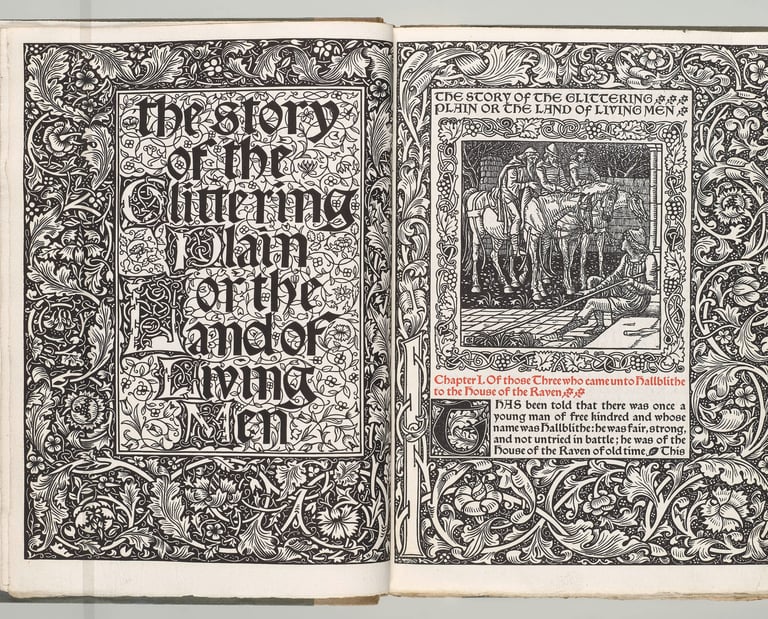
The Edwardians were enthusiastic supporters of contemporary artistic movements. A rare edition of The Story of the Glittering Plain by William Morris is displayed publicly in Scotland for the first time, revealing the elaborate craftsmanship associated with the Arts and Crafts movement. Nearby sits a volume of poems by Oscar Wilde, presented to Edward as an expression of aesthetic ideals that shaped the cultural mood of the period.
Paintings from the royal couples’ private collections add further intimacy. Works by Frederic Leighton and Lawrence Alma-Tadema demonstrate the close relationships between artists and patrons. Alma-Tadema’s God Speed, gifted to George and Mary on their wedding, captures a classical elegance that mirrored the refined tastes of the royal household.
Royal travel and a global outlook
The exhibition also highlights how travel expanded the monarchy’s cultural horizons. Edward commissioned pioneering photographer Francis Bedford to document his journey through the Middle East, producing hundreds of photographs that blended diplomacy with visual storytelling. One image shows the Prince posed before the Sphinx at Giza, then still partially buried in sand, symbolising both imperial curiosity and the era’s fascination with archaeology and exploration.
George and Mary developed a particular interest in the Indian subcontinent, reflecting Britain’s global connections at the time. These journeys helped shape royal collecting, bringing new artistic influences into the Royal Collection.
The glamour fades
The splendour associated with the Edwardian years did not survive intact. The outbreak of the First World War reshaped both monarchy and nation, replacing extravagance with duty and restraint.
As Head of the Armed Forces, George V consciously collected artworks that documented wartime experience. Among them is Air Station, North Queensferry by John Lavery, a sober depiction of naval operations on the Firth of Forth. Photographs by pioneering war photographer Olive Edis further record the human cost of conflict.
Together, these works mark the end of an era defined by elegance. In its place emerged a monarchy shaped by service, resilience and changing public expectations.
Revisiting a pivotal moment
The Edwardians: Age of Elegance ultimately presents more than royal spectacle. It captures a society poised between optimism and upheaval, where innovation, artistic ambition and shifting social values transformed both culture and crown.
Seen today, the Edwardian period feels surprisingly modern. Questions of image, influence and adaptation remain familiar, reminding visitors that history’s most glittering moments often unfold on the edge of profound change.
The exhibition runs at The King’s Gallery, Palace of Holyroodhouse, until the 6th of December 2026.
The information in this article was kindly provided by Royal Collection Trust.
All views expressed remain independent and genuine.
Ollēdi © 2026
Reframe your inbox
Subscribe to our newsletter and never miss a story.
We care about your data in our privacy policy.