
Starting Before the First Tooth: Why Early Oral Care Can Shape Lifelong Habits
BEAUTY, WELLBEING & PARENTHOOD
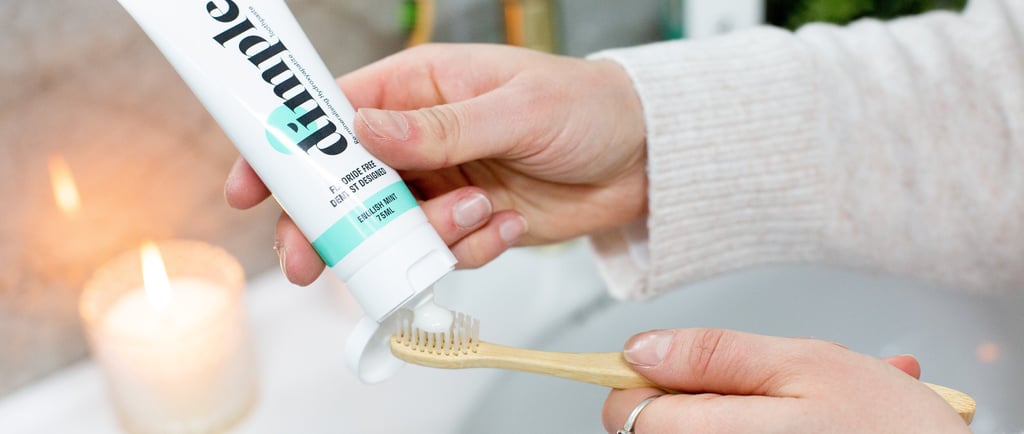
For many new parents, oral health can feel like something to worry about later on, once teeth have properly arrived and brushing becomes unavoidable. But according to paediatric dental specialist Dr Pippa Nicholls, founder of Dimples, the foundations are laid far earlier than most people realise.
“If there’s one thing I’d tell every new parent, it’s this: don’t wait until the teeth arrive to start thinking about them,” she says. “Building good habits early, at home and at the dentist, makes everything easier down the line. And honestly, it doesn’t have to be a battle.”
It is a view increasingly echoed by dental professionals who say that familiarity, routine and gentle exposure in the earliest years can make a significant difference to how children feel about oral care as they grow.
The first dental visit: earlier than many expect
Dr Nicholls recommends that children are brought in for their first dental check-up before their first birthday. At this stage, the appointment is less about examining teeth in any detailed sense and more about experience.
“It’s not really about checking their teeth as such,” she explains. “It’s about getting them comfortable in the chair, with the sounds and the smells and the friendly faces, so the dentist never becomes something to dread. It’s just a normal, familiar place. That matters more than most parents realise.”
The idea is to normalise the environment early, so that future visits feel routine rather than intimidating.
Habits at home start sooner than you think
That same principle applies in the home. Rather than waiting for resistance to emerge, Dr Nicholls suggests introducing oral care as part of everyday exploration from infancy.
Parents are encouraged to let babies and toddlers become familiar with a toothbrush in a relaxed way, even if that simply means chewing on it or holding it during bath time. Taste also plays an important role in acceptance.
“Choose a toothpaste they actually like the taste of,” she says. “It sounds simple, but it makes a real difference. A natural toothpaste with a flavour they enjoy, like our Dimples Peach flavour, turns brushing from something they resist into something they can enjoy.”
Making brushing part of family life
Once children move into more established routines, consistency becomes key. Dr Nicholls emphasises that small, repeated habits tend to be more effective than strict rules.
One approach is for parents to brush alongside their children. “Kids copy what they see,” she explains. “If brushing is something everyone does together, it stops feeling like a rule and just becomes part of the day.”
She also suggests embedding brushing into predictable daily sequences, particularly in the evening. A simple order, such as pyjamas, teeth, then bedtime story, helps reduce negotiation and uncertainty.
“Build it into the routine they already know,” she says. “When it sits inside something familiar, there’s no need for constant reminders or arguments.”
Turning brushing into something children enjoy
For families navigating resistance, Dr Nicholls says a little creativity can go a long way. Making the experience playful or interactive can help shift the tone away from conflict.
Letting a child “brush” a toy first can give them a sense of control and understanding, while silly songs can make the two-minute routine feel shorter and more enjoyable. “Two minutes disappear when everyone’s laughing,” she notes.
Other simple strategies can also help maintain focus. Brushing in front of a mirror can keep children engaged, while a timer or countdown gives them a clearer sense of how long they need to continue.
On more difficult evenings, she suggests reframing the task altogether. “A race can work surprisingly well,” she says. “Who can get all their teeth clean first? It is not perfect for thoroughness, I will be honest, but sometimes getting the brush in the mouth is enough of a win.”
Small steps, long-term impact
While the techniques may vary from household to household, the underlying message is consistent: early exposure, repetition and positive association matter far more than perfection.
For parents, the goal is not to create a flawless routine overnight, but to gradually build familiarity so that oral care becomes just another part of daily life rather than a source of stress.
As Dr Nicholls puts it, the earlier that process begins, the easier it tends to become.
Ollēdi © 2026
Reframe your inbox
Subscribe to our newsletter and never miss a story.
We care about your data in our privacy policy.