
Redefining the First Experience of Independence: Timeless Play Meets Design Thinking
TRENDING BRANDSSHOPPING & GIFT GUIDESSTYLE & HOMETOYS, BOOKS & VALUES
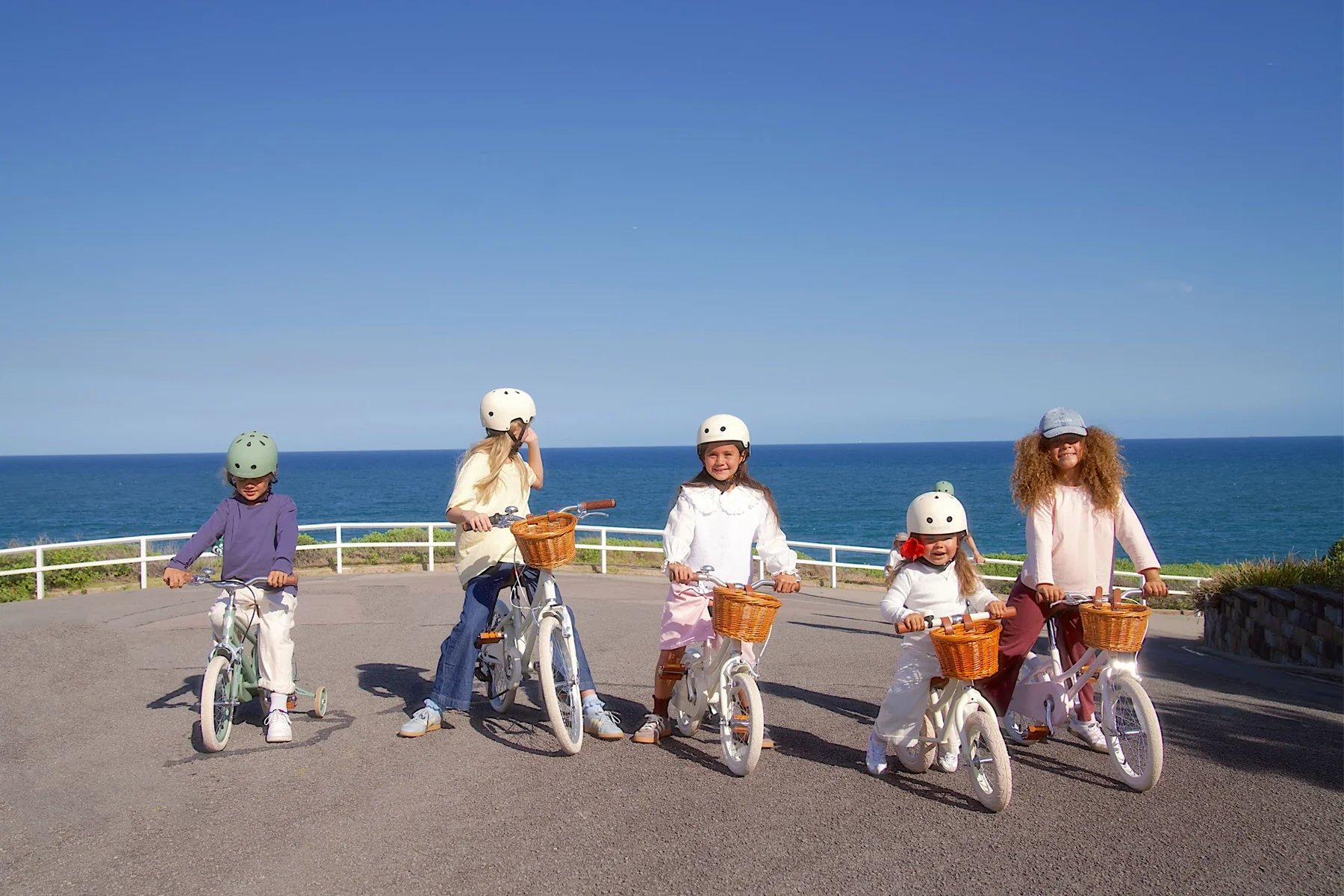
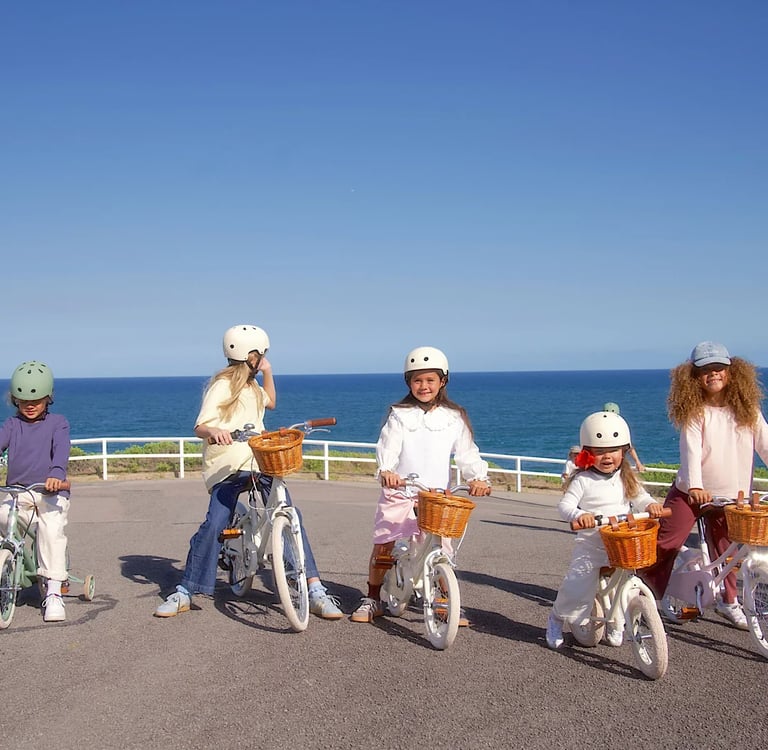
In a world where children’s products are often defined by noise, plastic and short lifespans, a quieter design movement is emerging. It focuses not on overstimulation, but on balance, confidence and timeless form. At the centre of this shift is Banwood, a family-owned lifestyle brand redefining how children experience movement, play and independence.
Rather than treating bikes, scooters and trikes as disposable toys, Banwood approaches them as carefully considered design objects. The result is a collection that sits somewhere between functional equipment and nostalgic lifestyle product, where every detail feels intentional.
A Design Philosophy Rooted in Simplicity
Banwood draws heavily from Scandinavian design principles, where simplicity, functionality and minimalism guide every creative decision. This influence is immediately visible in its clean silhouettes, muted colour palette and subtle retro styling.
The brand’s philosophy is not about overwhelming children with stimulation, but about offering them tools that feel intuitive and calming to use. There is a strong emphasis on visual clarity and physical balance, with products designed to support coordination and confidence rather than distract from it.
At its core, Banwood represents a belief that good design should feel natural. Nothing is overly complex or exaggerated. Instead, form follows function in a way that feels almost effortless.
A Family Brand with a Clear Vision
Founded as a family-run business, Banwood emerged from a shared interest in cycling culture and design craftsmanship. That origin still shapes its identity today, particularly in its focus on quality, durability and child-centred usability.
The brand’s founders brought together backgrounds in design and manufacturing, combining aesthetic sensitivity with technical understanding. This blend is reflected in every product, where materials, structure and usability are treated with equal importance.
Rather than chasing trends, Banwood has built its reputation on consistency. Its products evolve gradually rather than dramatically, reinforcing a sense of timelessness that is increasingly rare in the children’s market.
First Bikes That Build Confidence
One of Banwood’s most recognisable product categories is its balance bikes. Designed for children typically between two and five years old, these bikes are intended to help develop balance and coordination before the introduction of pedals.
What sets them apart is their simplicity. Without pedals, training wheels or unnecessary mechanisms, children can focus entirely on learning balance and steering at their own pace. This approach often helps build confidence more naturally than traditional methods.
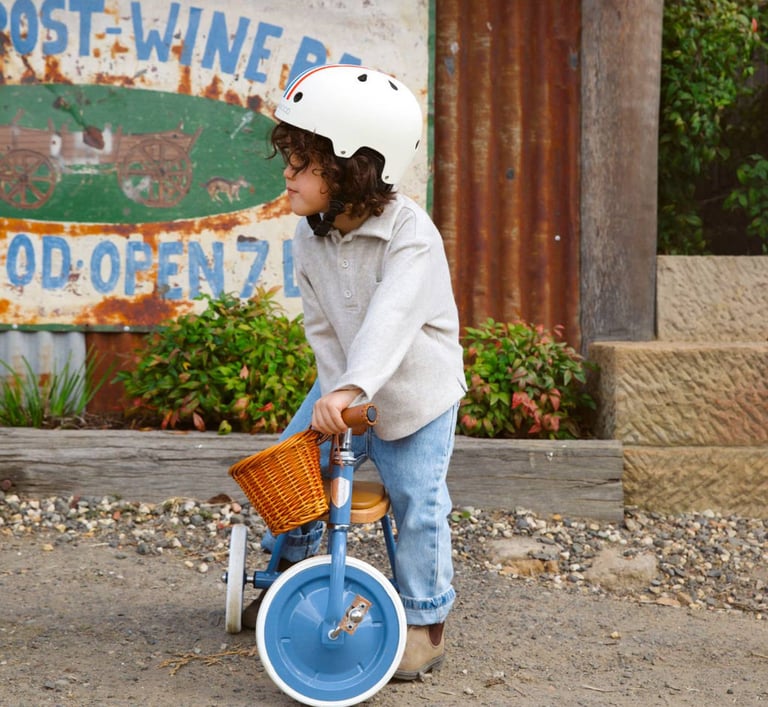
The design itself is deliberately understated. Steel frames, soft-touch finishes and vintage-inspired detailing create a sense of familiarity, as though the bikes have always existed in some form. They feel less like toys and more like miniature versions of adult cycling design.
Scooters, Trikes and the Language of Movement
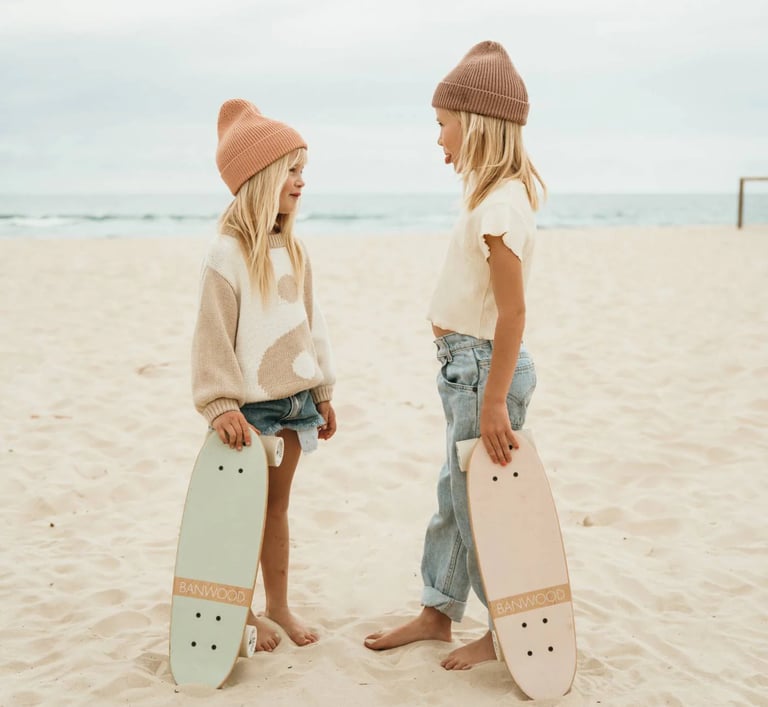
Beyond bikes, Banwood has expanded into scooters and tricycles, each carrying the same design language. These products are not just about transport or play, but about developing spatial awareness and independence.
Scooters, for example, encourage rhythm and coordination, while tricycles offer early experiences of steering control and motion planning. In each case, the emphasis is on gradual learning through movement rather than structured instruction.
The brand’s approach reflects a wider understanding of childhood development. Movement is not treated as entertainment alone, but as a foundational part of growth and confidence building.
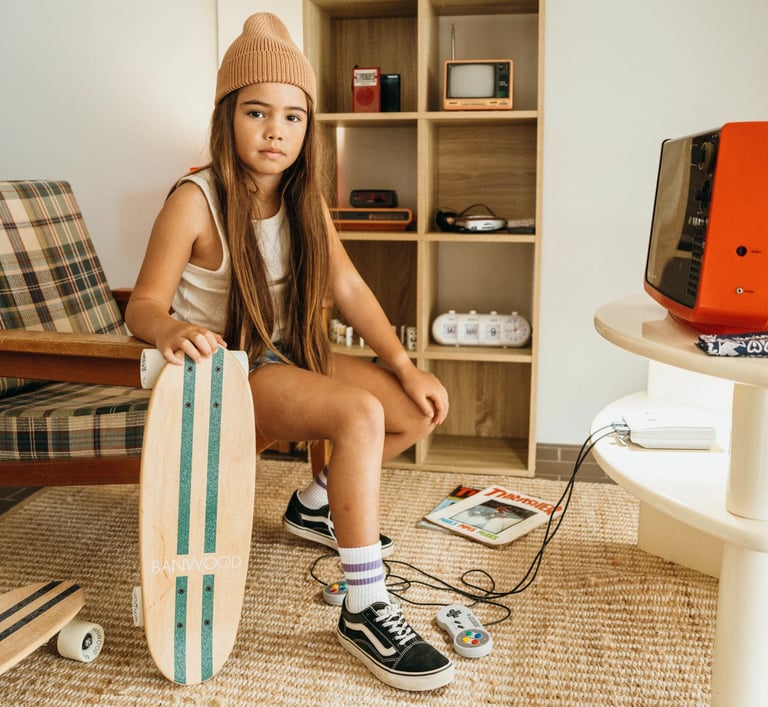

Materials That Balance Durability and Warmth
One of Banwood’s most distinctive qualities is its use of materials that feel both robust and tactile. Steel frames provide structural strength, while softer elements such as faux leather saddles and grips add comfort and warmth.
Many designs also feature wicker baskets, a subtle nod to vintage cycling culture. These details are not purely decorative. They reinforce the idea that functionality and charm can coexist within the same object.
The result is a product range that feels sturdy enough for daily use, yet visually soft enough to appeal to both children and parents.
Aesthetic Nostalgia in Modern Parenting
Part of Banwood’s appeal lies in its nostalgic aesthetic. The designs evoke a sense of mid-century charm without feeling dated. Instead, they offer a curated version of the past, filtered through modern safety standards and contemporary materials.
This aesthetic resonates strongly with parents who value design-led living. For many, Banwood products are not just functional purchases but part of a wider lifestyle choice that prioritises calm, intentional design in family environments.
In this sense, the brand sits comfortably within the broader movement towards “quiet design” in home and lifestyle spaces.
Safety and Trust as Core Principles
Despite its focus on aesthetics, Banwood places strong emphasis on safety and testing. Products are rigorously assessed to meet strict standards, ensuring they perform reliably in everyday use.
This commitment is particularly important in the children’s market, where trust is essential. Parents are not just buying design objects, but tools that will be used during key developmental stages.
By combining safety with visual appeal, Banwood manages to bridge a gap that many brands struggle to close.
A Lifestyle Brand, Not Just a Product Range
Over time, Banwood has evolved beyond individual products into a broader lifestyle identity. Helmets, accessories and coordinated design elements extend the brand experience beyond a single purchase.
This ecosystem approach allows parents to build a consistent visual and functional environment around their child’s early mobility experiences. It also reinforces the idea that childhood products can be thoughtfully designed rather than purely functional.
The brand’s presence across bikes, scooters, trikes and accessories creates a cohesive world where design continuity plays a central role.
The Future of Thoughtful Play Design
Banwood reflects a growing shift in how parents think about children’s products. There is increasing demand for items that are not only durable and safe, but also aesthetically considered and emotionally engaging.
Rather than treating play equipment as temporary or disposable, families are investing in pieces that feel meaningful and well designed. This shift aligns with wider cultural movements towards sustainability, minimalism and long-term use.
Banwood sits at the intersection of these ideas. It offers products that support development, encourage outdoor activity and introduce children to design-led thinking from an early age.
Redefining the First Experience of Independence
At its heart, Banwood is not simply selling bikes, scooters or trikes. It is shaping a child’s first experiences of independence, movement and confidence.
Through thoughtful design, careful material choices and a strong commitment to simplicity, the brand has created a distinct space in the children’s lifestyle market. It is a space where functionality meets beauty, and where play is treated as something meaningful rather than fleeting.
In a world filled with overstimulation, Banwood’s quiet approach feels increasingly relevant. It reminds us that the earliest experiences of movement can be calm, considered and beautifully designed.
Some products featured in this article were kindly provided for consideration,
with all views expressed remaining independent and genuine.
Ollēdi © 2026
Reframe your inbox
Subscribe to our newsletter and never miss a story.
We care about your data in our privacy policy.