
Olledi at London Toy Fair 2026: Key Highlights, Trends and Industry Talking Points
WHAT'S ONTOYS, BOOKS & VALUESSHOPPING & GIFT GUIDESSPOTLIGHT STORIES
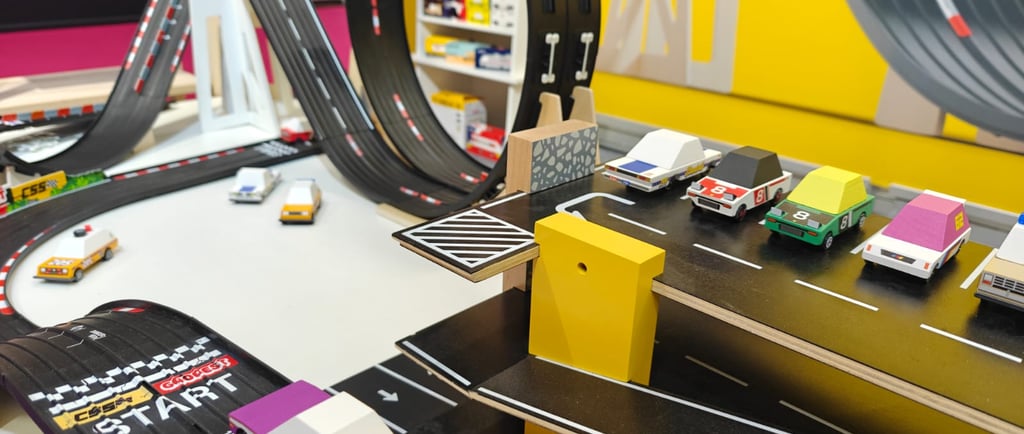
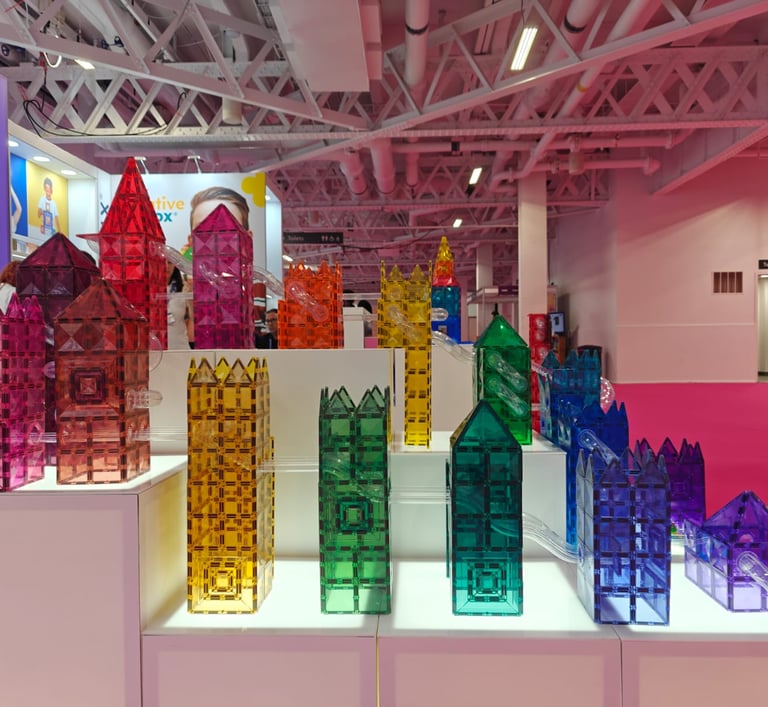
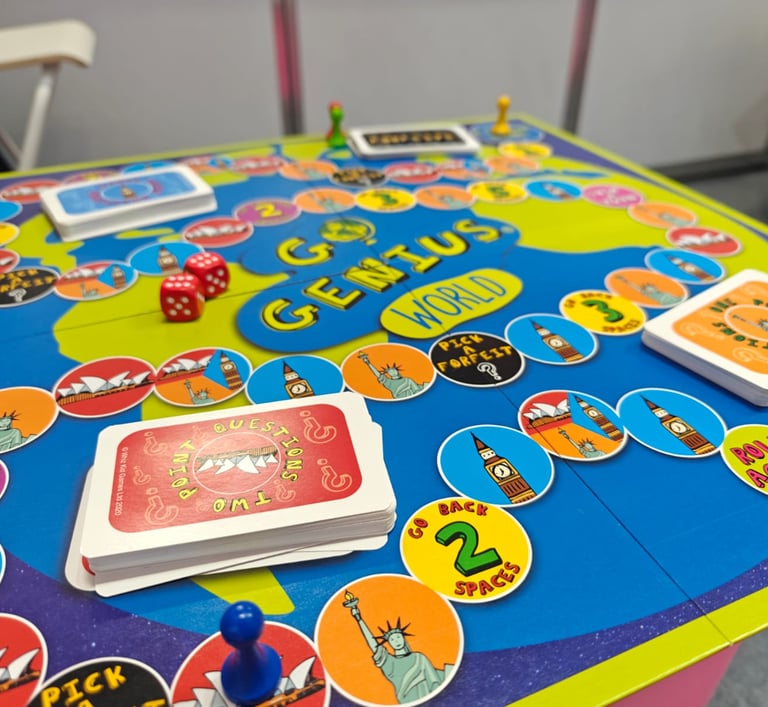
The London Toy Fair 2026 took place in January at Olympia London, bringing together toy manufacturers, retailers, inventors and media from across the global toy industry. As one of the most important trade shows in the European toy calendar, the event offered a snapshot of where play, entertainment and consumer behaviour are heading. This year’s fair was characterised by strong licensing partnerships, evolving demographics, innovation in construction and collectibles, and growing emphasis on design and creativity.
Major Product Highlights and Award Winners
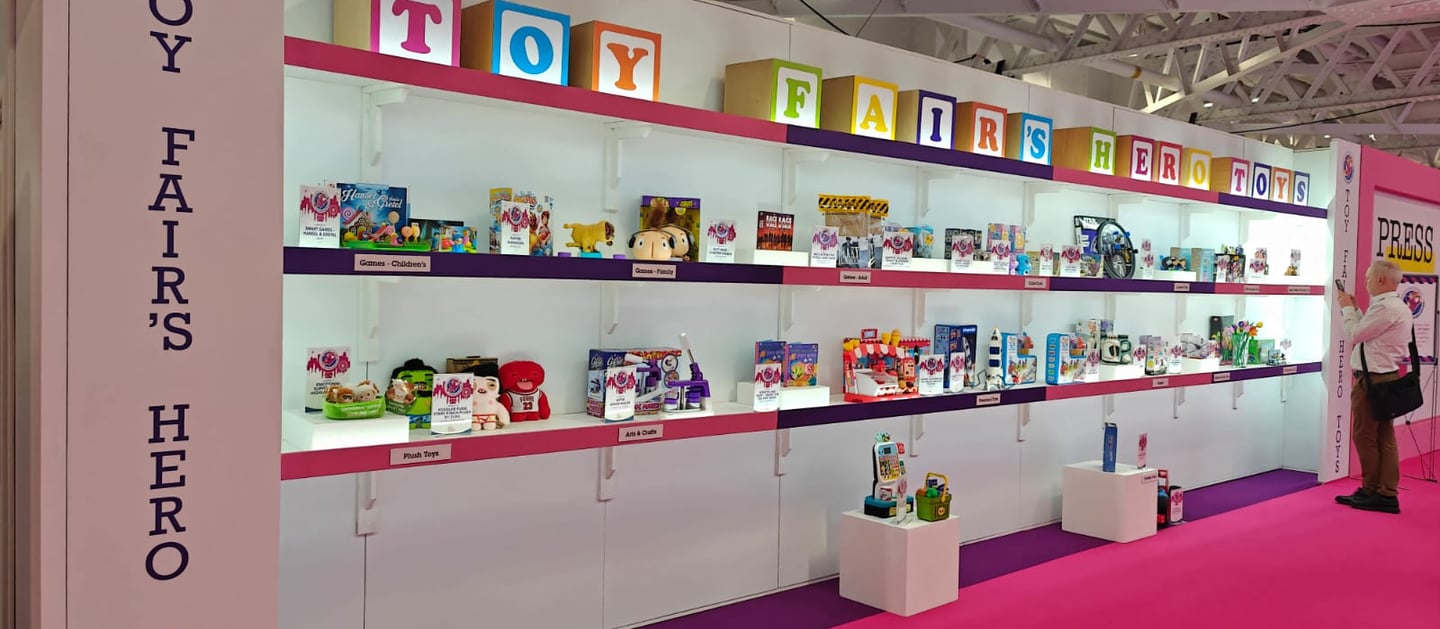
One of the standout moments of the event was the Hero Toy Awards, which recognise the most innovative and exciting products on display. LEGO secured major recognition with two award-winning sets, including the LEGO Botanicals Tulip Bouquet and the LEGO Minecraft Mini Biomes set. These products reflected LEGO’s dual focus on adult collectors and younger fans of gaming franchises, combining decorative display pieces with interactive building experiences.
Beyond LEGO, exhibitors showcased a broad range of new launches and collaborations. Playmobil revealed upcoming licensed ranges tied to WWE and Barbie, while The Puppet Company celebrated its 25th anniversary with new plush and puppet lines developed in collaboration with brands such as Paddington and the Natural History Museum. These partnerships demonstrated how heritage brands and cultural institutions continue to influence toy design.
Dominant Trends: Licensing, Collectibles and Pop Culture
Licensing was a central theme across the fair, with licensed toys accounting for roughly 38% of toy sales in the UK market. Products linked to films, television and video games showed particularly strong growth, with video game-related toys increasing by 47% and film-driven toys rising by 11%. Major franchises such as Pokémon, Minecraft, Sonic and Jurassic World were widely represented, reinforcing the importance of cross-media storytelling in toy marketing.
Collectibles also remained a strong growth category, driven by brands such as Pokémon trading cards and Funko figures, as well as anime and nostalgic franchises. Cultural influences including K-pop, anime and classic characters continued to shape consumer demand, showing that toys increasingly function as lifestyle and fandom products rather than purely children’s playthings.
Market Growth and Shifting Consumer Behaviour
Industry data discussed around the fair suggested that the UK toy market is entering a recovery phase after several challenging years. Building sets grew by around 25%, action figures and accessories by 16%, and traditional games and puzzles by 15%. Vehicles and racing toys also experienced renewed interest, with racing-related toys growing by an exceptional 193%.
Another significant talking point was the shift in demographics. Adult consumers and older children, often referred to as “kidults”, represent a growing share of spending. This reflects broader cultural trends where toys are tied to nostalgia, fandom and display collecting, and are increasingly marketed as premium lifestyle products. Average toy prices have risen by about 5%, with products in the £30–£50 range proving particularly popular, while low-priced pocket money toys have declined.
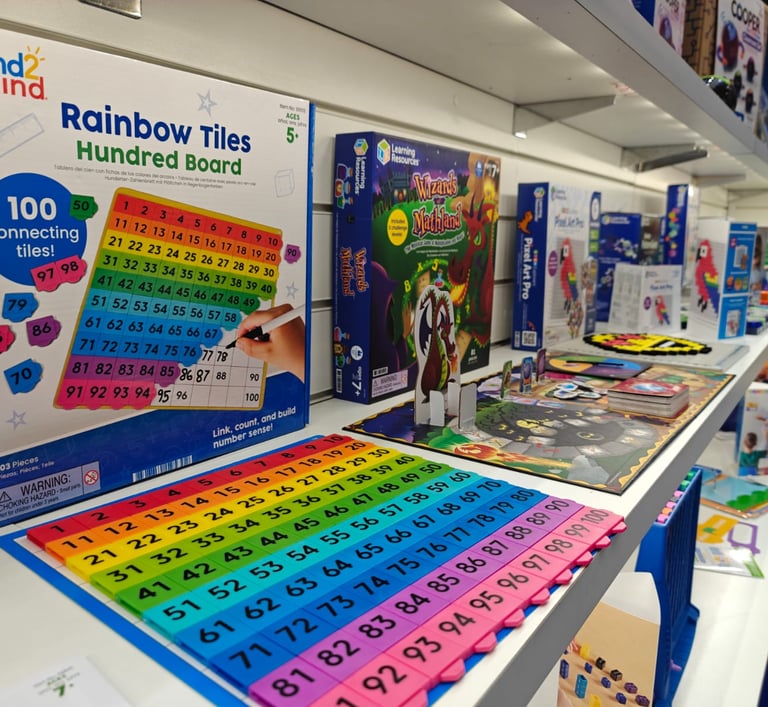
Innovation in Design and the Next Generation of Toy Creators
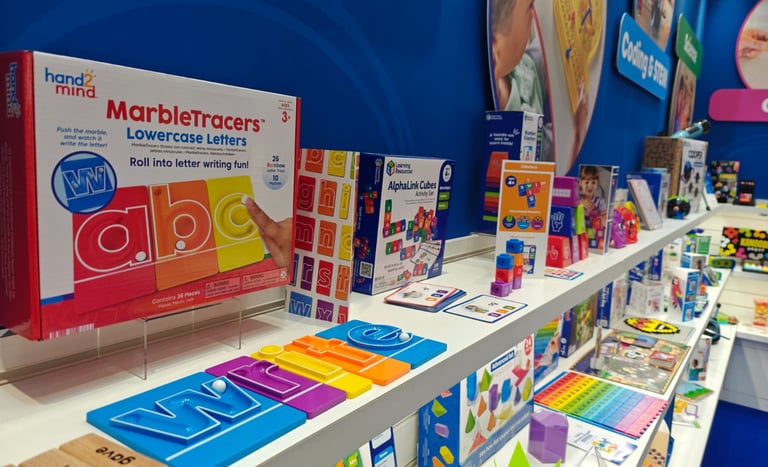
The fair also focused on innovation and the future of toy design. The return of the Student Design Seminar highlighted industry efforts to nurture new talent, bringing together university students and established inventors to discuss creativity, manufacturing and market entry. Panels featuring designers and executives from major toy companies provided insights into how new concepts move from idea to retail shelves.
This emphasis on design reflects a broader industry recognition that originality, storytelling and user experience are essential for differentiation in a crowded market. Interactive toys, hybrid physical-digital play, and immersive storytelling experiences were common themes across exhibitor stands.
Emerging Themes: Sustainability and Personalisation
While the 2026 fair highlighted commercial growth and licensing, sustainability and personalisation continued to be recurring topics. Manufacturers are increasingly using recycled materials and eco-friendly packaging in response to retailer and consumer expectations. Customisation and collectability were also highlighted as drivers of engagement, with personalised puzzles, themed ranges and modular play systems becoming more prominent.
What the London Toy Fair Signals for the Industry
Overall, the London Toy Fair 2026 painted a picture of an industry adapting to cultural change, economic pressures and evolving consumer expectations. The strongest signals from the event were the power of licensing, the rise of adult collectors, continued innovation in construction and collectibles, and the growing importance of storytelling across media.
For retailers and manufacturers, the fair suggested that future growth will depend on balancing nostalgia with innovation, sustainability with affordability, and traditional play with digital-driven franchises. For consumers, it previewed a market where toys are not just for children, but for fans, collectors and families seeking shared experiences.
Ollēdi © 2026
Reframe your inbox
Subscribe to our newsletter and never miss a story.
We care about your data in our privacy policy.