
Modern Love, Modern Rings: Engagement Jewellery Trends Defining 2026
TRENDING BRANDSSPOTLIGHT STORIESSHOPPING & GIFT GUIDES


Engagement and wedding jewellery has always carried deep symbolism, but in 2026 the meaning behind the ring matters more than ever. Today’s couples are reshaping tradition, moving away from rigid expectations towards choices that reflect personal values, individuality and long term practicality. From sustainable diamonds to vintage inspired silhouettes, engagement jewellery is undergoing a quiet transformation.
Rather than asking what a ring should look like, couples are now asking what it represents.
A shift towards conscious luxury
One of the most significant developments in recent years is the rapid rise of lab grown diamonds. Once viewed as a niche alternative, they are now firmly established within the mainstream jewellery market. A recent YouGov survey suggests that around three in ten people would consider purchasing a lab grown diamond, with younger generations driving the shift. Nearly half of respondents aged between 18 and 24 expressed interest in lab grown stones, compared with far fewer older buyers.
The appeal is clear. Lab grown diamonds possess the same physical and chemical properties as mined diamonds, offering identical brilliance and durability while often carrying a lower environmental impact and a more accessible price point.
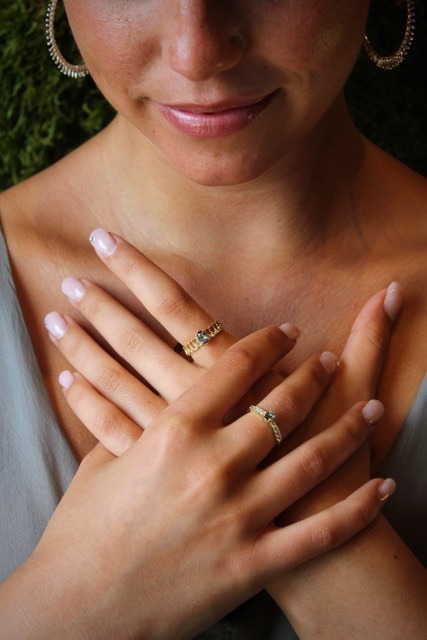
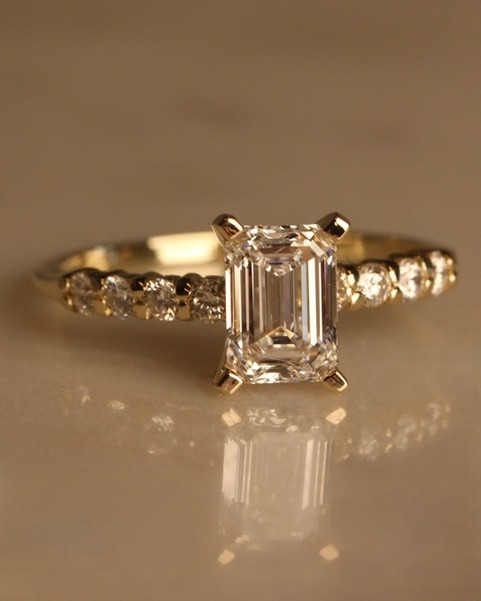
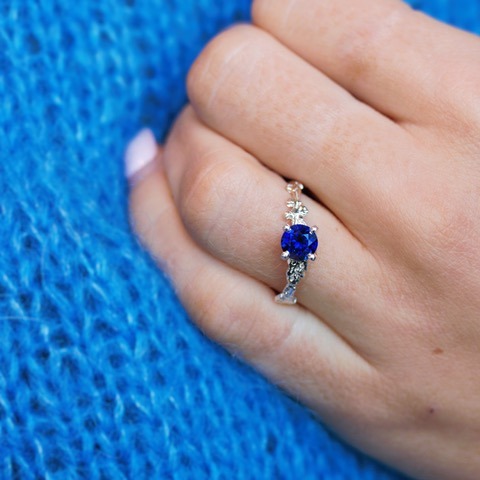
Icelandic jeweller Aurum has embraced this evolution entirely, working exclusively with lab grown gems alongside sustainably sourced gold. Inspired by Iceland’s dramatic landscapes, the brand’s designs reflect organic textures and natural formations, translating volcanic lines, flowing water and raw terrain into refined fine jewellery. Engagement rings such as the Erika, Tuttu and Magma designs demonstrate how contemporary craftsmanship can merge ethical sourcing with timeless elegance. Crafted in 14K gold, these pieces showcase classic diamond cuts including cushion, pear and traditional solitaire settings, while bespoke commissions in 18K gold allow couples to create rings that feel entirely personal.
This emphasis on sustainability mirrors wider cultural priorities. Couples are increasingly mindful not only of how jewellery looks, but also how it is made.
Personalisation over tradition
While the diamond solitaire remains iconic, modern engagement jewellery is expanding beyond traditional expectations. Nostalgia is playing a surprisingly strong role, with renewed interest in styles influenced by the 1960s and the geometric elegance of the Art Deco era.
Structured bands, architectural settings and distinctive gemstone cuts are returning to prominence. Shapes such as pear, princess and marquise cuts are enjoying a revival, offering visual character while still maintaining classic appeal.
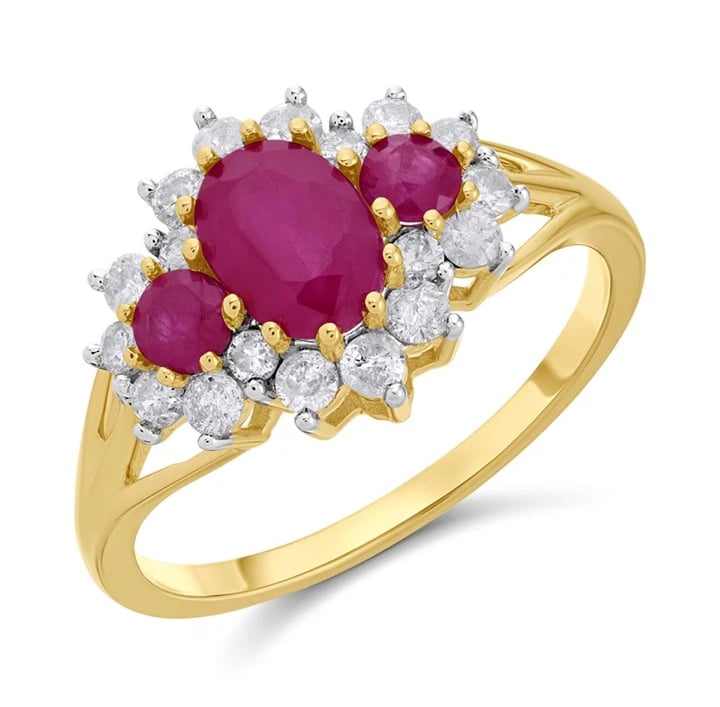
Jewellery specialists at Chapelle, known for offering both contemporary and vintage inspired engagement rings, have seen growing demand for distinctive shapes and alternative centre stones. Customers are increasingly exploring coloured gemstones including sapphires, emeralds and rubies, often selecting stones for personal meaning rather than convention.
Birthstones, symbolic colours or gemstones connected to shared memories are becoming popular choices, reflecting a wider shift towards storytelling through jewellery. A ring is no longer simply a marker of engagement. It has become an expression of identity.
Practical considerations also influence these decisions. Many coloured gemstones offer durability suitable for everyday wear, while often providing cost advantages compared with traditional diamonds. For couples balancing wedding budgets with long term financial goals, this flexibility is proving appealing.
The enduring power of the classic diamond
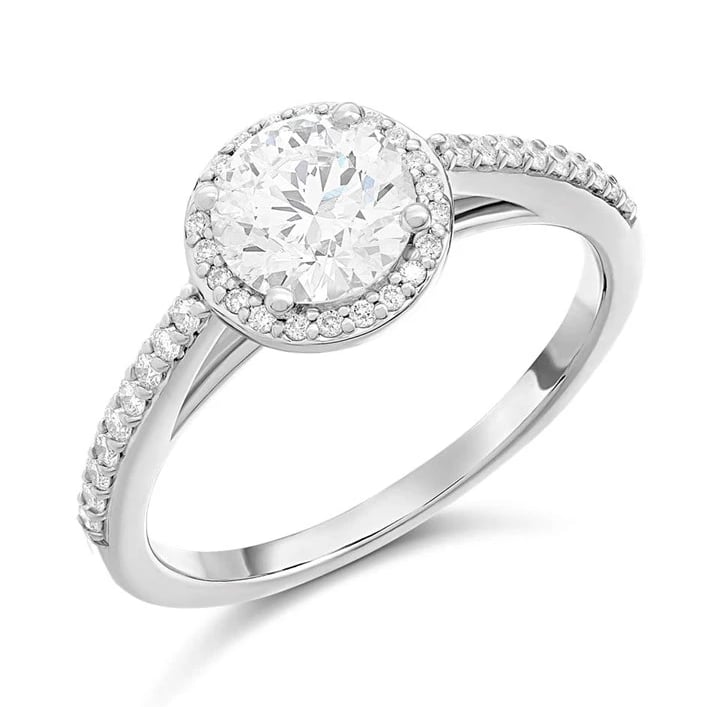
Despite the rise of alternative stones and experimental designs, some traditions remain remarkably resilient. The round brilliant cut continues to dominate engagement jewellery, demonstrating that timeless design still holds powerful emotional appeal.
At Chapelle, round brilliant diamonds account for around 70 percent of engagement ring sales, highlighting the continued demand for designs that feel both familiar and enduring. In a trend cycle that evolves rapidly, many couples still seek reassurance in jewellery that will look as relevant decades from now as it does today.
Rather than rejecting tradition entirely, modern buyers appear to be redefining it. Classic shapes are being paired with contemporary settings, ethical materials and personalised details, creating a balance between heritage and individuality.
Does size still matter?
Perhaps the most interesting cultural shift in engagement jewellery concerns perceptions of value. For decades, larger diamonds were often associated with romance and commitment. Today, that narrative is changing.
Recent pop culture conversations have reflected this evolving mindset. Discussions surrounding engagement rings increasingly focus on practicality and emotional meaning rather than carat size alone. Younger couples, particularly Gen Z, are demonstrating a willingness to prioritise shared financial stability and personal authenticity over outward displays of luxury.
Industry reports show that average engagement ring spending has gradually declined in recent years, aligning with broader wedding trends that favour intimacy and experience over extravagance. Smaller stones, minimalist settings and alternative materials are no longer viewed as compromises. Instead, they signal thoughtful decision making.
This perspective resonates strongly with modern audiences who value sustainability, transparency and emotional significance. A meaningful proposal is defined less by spectacle and more by intention.
Jewellery inspired by nature and individuality
Across both Aurum and Chapelle collections, one theme consistently emerges: individuality. Whether expressed through ethically sourced lab grown diamonds, unconventional gemstone choices or vintage influenced craftsmanship, engagement jewellery is becoming more personal than ever before.
Aurum’s nature inspired aesthetic captures a growing desire for connection with the natural world, translating landscapes into wearable design. Meanwhile, Chapelle’s blend of classic and contemporary styles reflects the diversity of modern relationships, offering options that range from timeless elegance to bold self expression.
Together, these approaches illustrate how engagement jewellery is moving beyond trend driven purchasing. Instead, couples are investing in pieces designed to evolve alongside their lives.
The future of wedding jewellery
Looking ahead, the engagement ring market appears set to continue along this path of thoughtful transformation. Sustainability, craftsmanship and personal storytelling are expected to remain key influences shaping future collections.
Rather than replacing tradition, modern trends are expanding it. Couples are embracing freedom of choice, selecting rings that reflect shared values, personal style and realistic priorities.
In many ways, engagement jewellery in 2026 reflects relationships themselves. Less about perfection, more about authenticity. Less about expectation, more about meaning.
The question is no longer simply which ring to choose. It is what that ring says about the people wearing it.
And increasingly, the answer lies not in carats or convention, but in connection.
The information in this article was kindly provided by Aurum Iceland and Chapelle.
All views expressed remain independent and genuine.
Ollēdi © 2026
Reframe your inbox
Subscribe to our newsletter and never miss a story.
We care about your data in our privacy policy.