
Forget Five a Day: Why You Need to Track Your Flavanols Instead
FOOD & DRINK
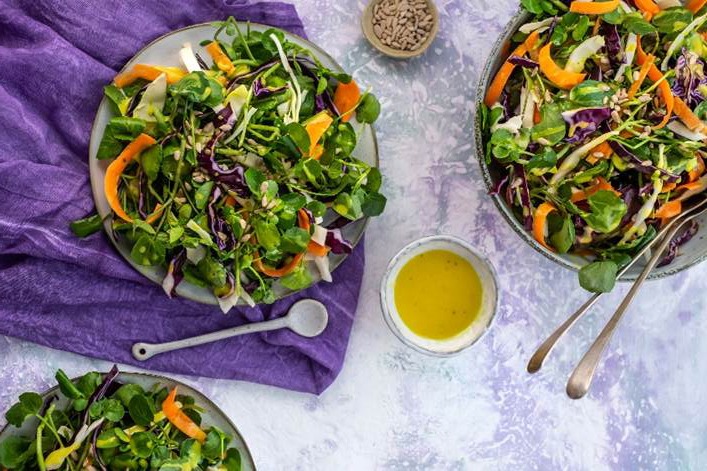
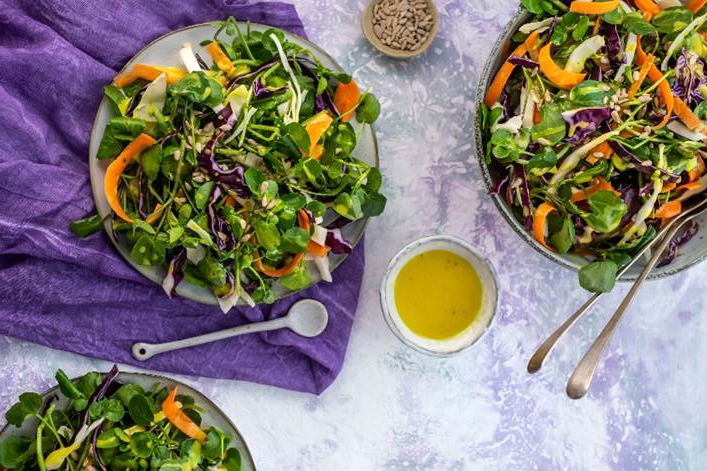
When it comes to protecting your heart, new research suggests it is no longer just about hitting your standard "five a day". Instead, the secret might lie in tracking down very specific types of fresh produce.
The key players are nutrients known as flavanols. While a recent study highlighted the cardiovascular benefits of eating plums, blueberries, blackberries, cherries, and broad beans alongside a cup of green tea, it missed out one of the most potent options available: watercress. This vibrant leafy green boasts some of the highest levels of flavonoids on the market, particularly a powerful compound called quercetin.
Decoding the Science of Flavanols
To understand why these foods are so beneficial, it helps to look at the science. Flavanols belong to a wider family of plant compounds called polyphenols, which are found in everything from fruit and vegetables to tea and high-quality chocolate.
Medical research increasingly shows that a diet rich in polyphenols can actively support the body by improving blood pressure, regulating insulin sensitivity, and reducing inflammation. Crucially, a high intake of flavonoids has been directly linked to a lower risk of cardiovascular disease, which remains the leading cause of death worldwide.
Quercetin, the specific flavonoid found in abundance in watercress, is particularly effective. Studies indicate that it can support healthy blood vessel function, protect the cells lining our circulatory system, and even help prevent blood clots. Interestingly, some of these benefits are unlocked by our gut microbiome, which converts quercetin into active, health-boosting compounds.
The Ultimate Cardiovascular Superfood
Watercress is an absolute powerhouse for these nutrients. A single 100g serving delivers around 30mg of quercetin alongside 23mg of another vital flavonoid called kaempferol.
However, the benefits do not stop there. Watercress is packed with dietary nitrates, which are converted by bacteria in the body into nitric oxide. This crucial molecule helps relax and maintain healthy blood vessels. On top of that, watercress is loaded with antioxidants like vitamin C and isothiocyanates. These work hard to shield our cells from oxidative stress and free radical damage, which are major contributors to heart disease, diabetes, and the overall ageing process.
To help people pack more of these nutrients into their weekly shop, The Watercress Company has highlighted several dishes featuring ingredients that are exceptionally high in flavonoids, including broccoli, cabbage, and artichokes.
The following vibrant, raw salad is the perfect way to get a healthy dose of flavanols on your plate.
Cabbage Medley Salad with Watercress, Carrot, Creamy Mustard Dressing and Sunflower Seeds
Preparation time: 10 minutes
Cooking time: 0 minutes
Serves: 2
Ingredients
½ each red & white cabbage
85g watercress
1 carrot
Sunflower seeds
For the dressing:
4tbsp olive oil
2tbps mayo
1tbsp mustard
1 tbsp honey
1 tsp lemon juice
Method
Roughly chop your cabbage. Using a vegetable peeler, cut the carrot into ribbons.
Mix the ingredients for the dressing and season to taste.
Toss the watercress, cabbage and carrot together, assemble on a plate before drizzling with dressing and sprinkling with sunflower seeds.
Ollēdi © 2026
Reframe your inbox
Subscribe to our newsletter and never miss a story.
We care about your data in our privacy policy.