
Built to Move: Four Decades of Activewear Designed for Real Women
TRENDING BRANDSSHOPPING & GIFT GUIDESBEAUTY, WELLBEING & PARENTHOOD
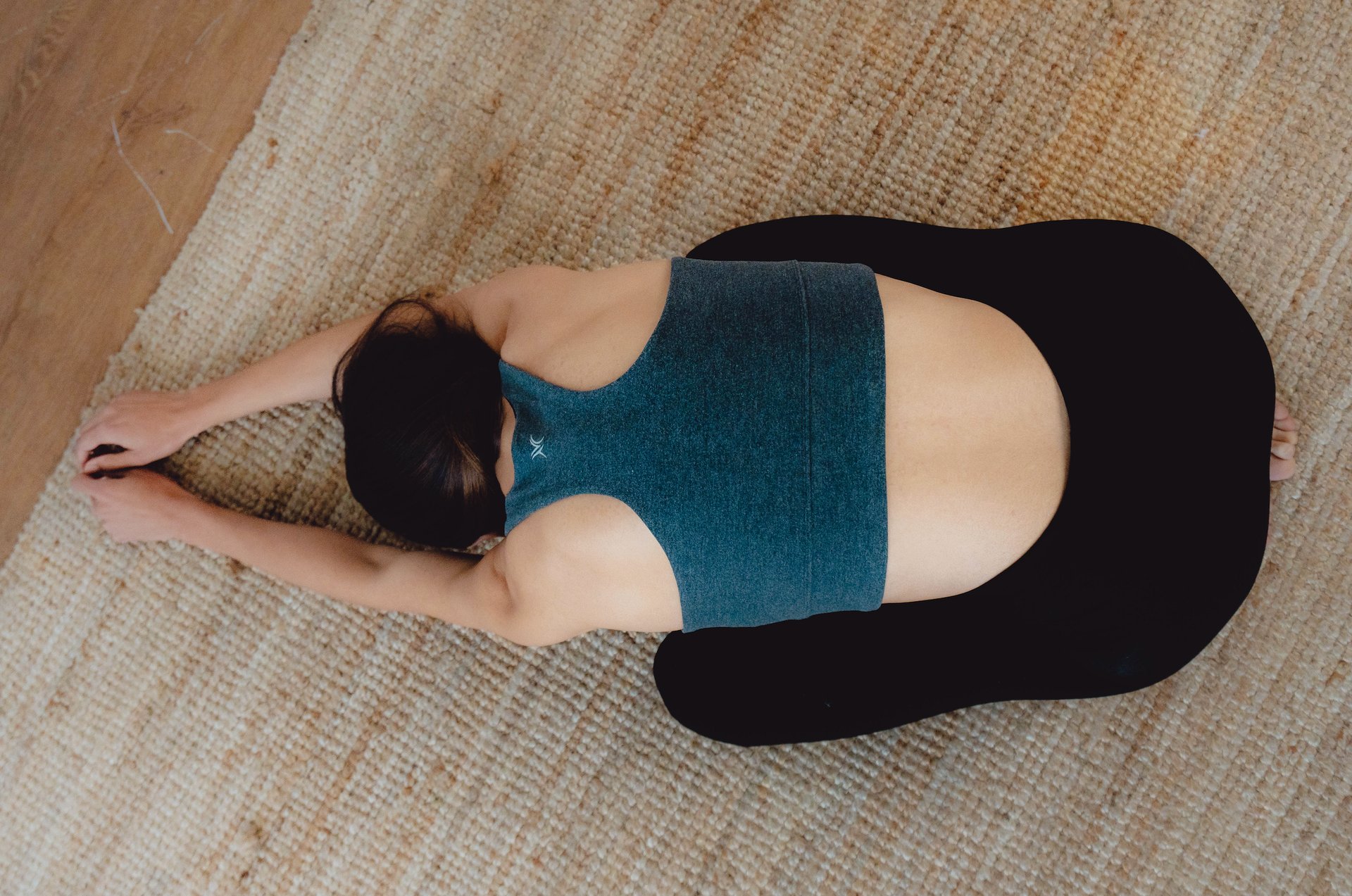
For more than four decades, one independent British label has been quietly reshaping what activewear looks like and, more importantly, who it is for. Long before inclusivity became a marketing strategy, TLC Sport was designing clothing around real women’s bodies, real lifestyles and real confidence.
Founded in 1984 by fitness pioneer Sara Hanna and now led alongside her daughter and Managing Director Charlotte Ayoub, the brand celebrates its 42nd year in business this year. Its longevity speaks not only to commercial success but to a philosophy that has remained remarkably consistent: quality, inclusivity and clothing that helps women feel comfortable in their own skin.
From fitness studio necessity to fashion movement
The origins of TLC Sport are refreshingly practical. After moving from London to Cairo, Hanna established a thriving fitness centre, teaching group exercise classes to both expatriate and local women at a time when sportswear options were limited.
“I had a loyal and dedicated following,” she recalls. “Sportswear was very limited, so I decided to manufacture my own.”
Initially creating garments simply to teach in, Hanna discovered an unexpected demand. Her clients wanted the same flattering, functional designs she wore during classes. Once cotton Lycra became available locally, production expanded and leotards quickly became the foundation of what would grow into The Leotard Company, later known as TLC Sport.
Fitness itself had already transformed Hanna’s life. After discovering home exercise in 1979 and training in the United States, she became passionate about sharing its benefits. “I just wanted to shout the benefits of exercise from the rooftops,” she says. That enthusiasm shaped not only her fitness career but also the ethos behind the clothing she created.
Confidence before trends
Today, body positivity is widely discussed across fashion and wellness industries. When Hanna began challenging narrow beauty standards, however, such conversations were almost nonexistent.
As early as 2002, TLC Sport featured plus size models in its advertising campaigns, a radical move at the time. Unable to find suitable talent in the UK, Hanna flew models from New York for the shoot. The response from customers was immediate and deeply emotional.
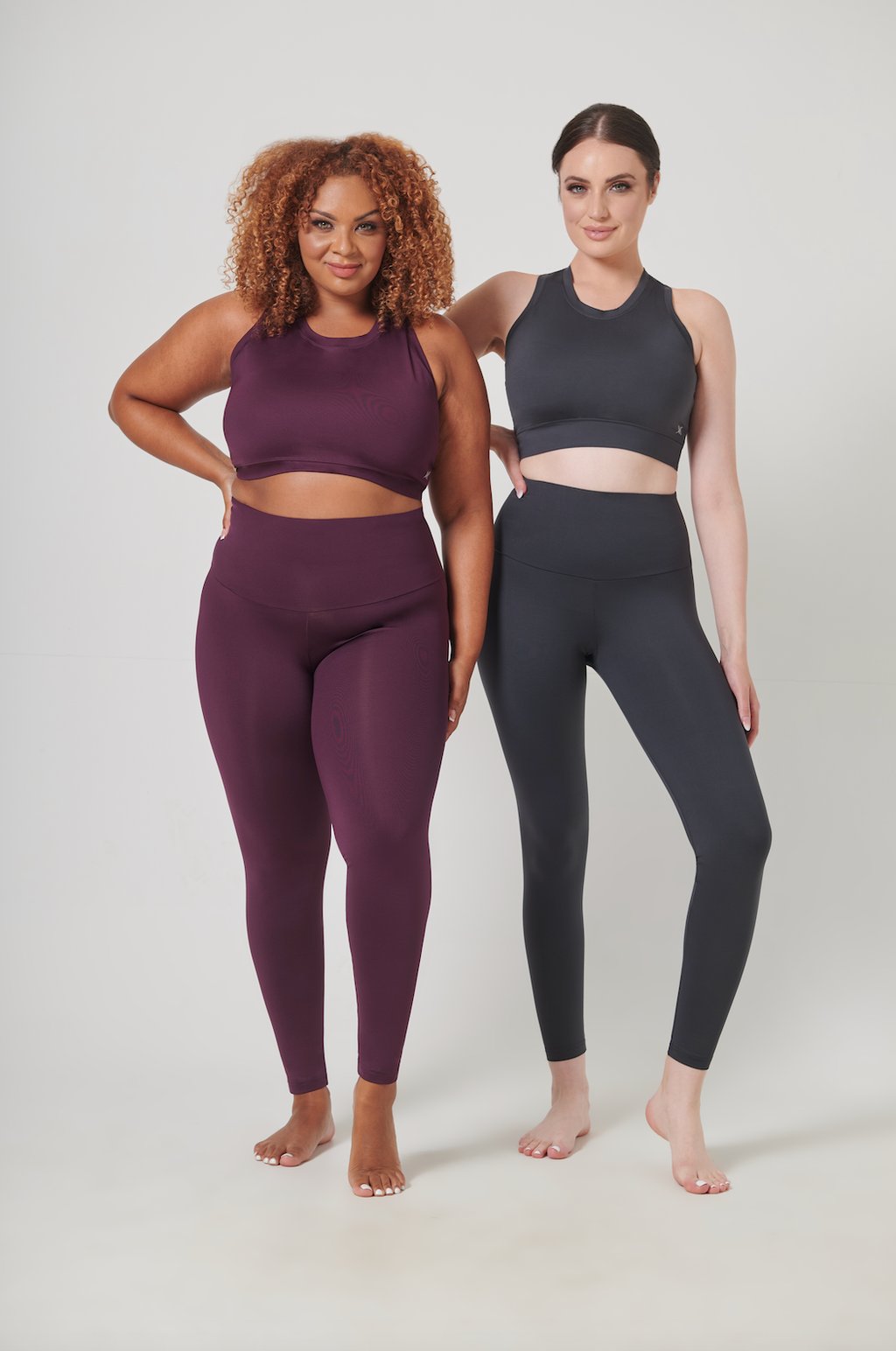
Representation became a permanent commitment. TLC’s EveryBody campaigns now feature real customers rather than professional models, celebrating women of all ages, shapes and backgrounds.
“We are for every body type,” Hanna explains. “Old, young, slim, full, tall or short. Women are beautiful not only in mind but in body too.”
Inclusivity has never been treated as a trend. From introducing multiple leg lengths in 1999 to stocking extended sizing from XS to 4X decades before the industry followed suit, TLC Sport built its reputation by acknowledging a simple truth: women are not one size fits all.
A mother and daughter vision
Family values sit at the core of the business. With Charlotte Ayoub now driving expansion and marketing strategy, the brand continues to evolve while protecting the principles established at its founding.
“Our intention has always been to offer a quality product,” Hanna says. “We have never swerved from this mission.”
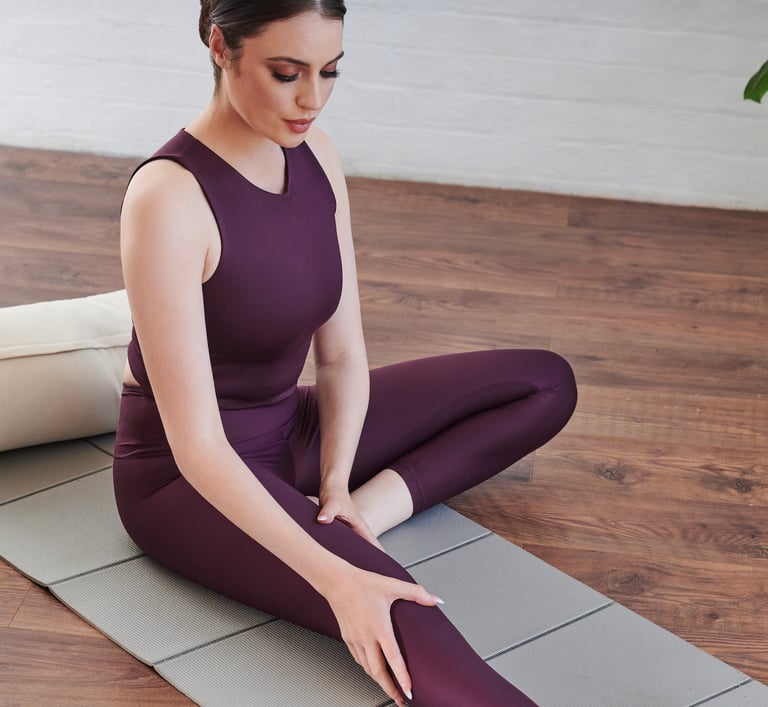
Together, mother and daughter have refined the technical shaping and fit of TLC leggings, an area that has become central to the brand’s identity. Customer loyalty reflects that dedication, with women returning to purchase garments years or even decades after their first order.
One story remains particularly memorable. A customer once replaced leggings purchased ten years earlier because they had finally worn out. Hanna recalls being delighted by their longevity. The durability, she insists, is intentional. “Our leggings last. They do not go into landfill because customers are still wearing them decades later.”
Sustainability through longevity
While many brands focus on seasonal sustainability messaging, TLC Sport approaches the issue differently. Its guiding principle is what Hanna calls “buy once, buy right”.
Garments are designed to endure, supported by a free repair programme that encourages customers to extend the life of their clothing rather than replace it prematurely. Operating its own factory also allows the company to safeguard working conditions, maintain fair pay and support staff through outreach programmes.
The brand continues to refine manufacturing and dyeing processes to meet international sustainability standards while working towards reduced packaging waste, including transitioning towards bag free garment supply.
For TLC Sport, sustainability is less about marketing claims and more about responsibility over time.
Designed by women, tested by women
Every product begins with lived experience. Hanna personally tests designs whenever possible, while garments intended for specific body shapes are trialled by women who represent those customers.
“Women are not a one size fits all ideal,” she says. “We design by women, for women.”
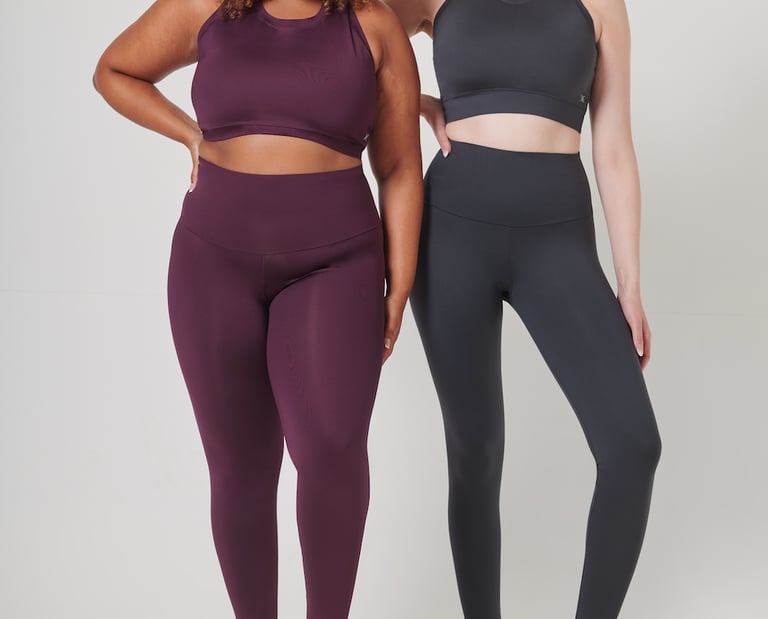
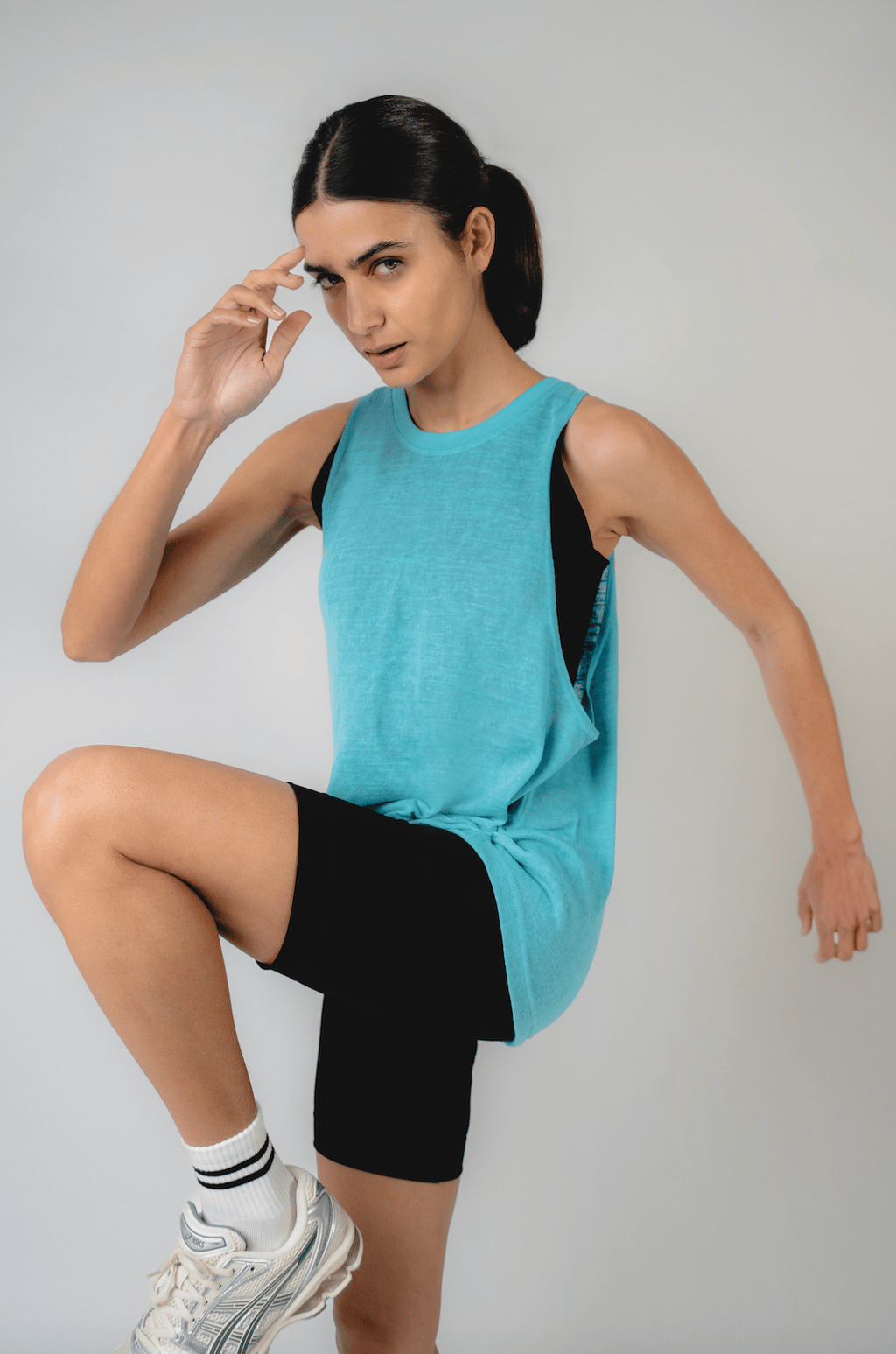
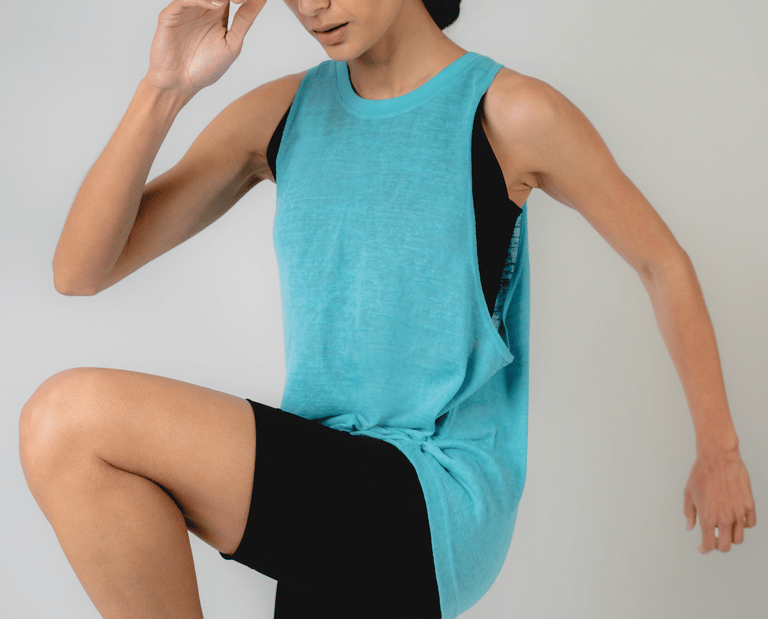
That philosophy shapes the brand’s newest collection, which bridges activewear and leisurewear. Wide leg trousers, flared leggings, cuffed yoga pants and versatile layering pieces allow wearers to move seamlessly from exercise to everyday life. High performance fabrics sculpt and support without restriction, while thoughtful details such as deep pockets and flattering seams prioritise practicality alongside style.
Available in inclusive sizing from UK 8 to 22, the range reflects TLC’s enduring commitment to accessibility.
This season also introduces a maternity leggings collection designed for each trimester, recognising how women’s bodies evolve and ensuring comfort throughout pregnancy.
Clothing as confidence
Hanna believes clothing has the power to influence mindset as much as movement. “When you look good, you feel good. And when you feel good, you tend to make better choices,” she says.
Over the years, customers have shared deeply personal stories about the impact of TLC garments, from supporting women managing medical conditions such as lipedema or varicose veins to helping new mothers regain confidence after pregnancy.
In 2022, the brand replaced professional models entirely with customers in a campaign celebrating real women. The experience proved transformative. Participants shared emotional stories of resilience, self acceptance and renewed confidence.
“Inside every woman is a supermodel waiting to be invited out,” Hanna says.
Resilience in a changing industry
Like many independent brands, TLC Sport has faced significant challenges including increased competition, economic downturns and the disruption of the pandemic. Survival has depended on adaptability and an unwavering focus on product development.
“We constantly pivot to ensure TLC stays relevant, fair and makes a difference,” Hanna explains.
Looking ahead, the brand plans to launch a new initiative led by Charlotte Ayoub titled Secrets Behind the Fashion Brands: Photoshop, a project designed to challenge unrealistic digital manipulation within fashion imagery and promote healthier expectations around body image and social media.
Expansion remains firmly on the horizon. Ayoub’s ambition is global reach, bringing the brand’s inclusive ethos to women worldwide.
Flourishing in beautiful bodies
After more than forty years, TLC Sport’s message remains disarmingly simple. Clothing should never hold women back. Instead, it should support movement, confidence and self belief.
Hanna hopes the brand will continue helping women flourish in what she describes as their “beautiful bodies”, allowing clothing to become a source of empowerment rather than pressure.
In a fashion landscape often driven by novelty, TLC Sport’s endurance offers a different lesson. When design begins with listening, when inclusivity is genuine and when quality is non negotiable, a brand does not merely follow trends. It builds a legacy.
Ollēdi © 2026
Reframe your inbox
Subscribe to our newsletter and never miss a story.
We care about your data in our privacy policy.