
Beyond Sustainable: When Fashion Becomes a Tool for Empowerment
TRENDING BRANDSSHOPPING & GIFT GUIDESSTYLE & HOME


A defining moment at sixteen
Mustafa’s path into ethical fashion started unusually early. At just sixteen, she travelled independently to Bangladesh after months researching the Grameen Foundation, determined to contribute to a cause she deeply believed in. There, she interned with Grameen Check, an initiative focused on reviving Bangladesh’s traditional handloom industry, a craft increasingly threatened by mass production.
Working alongside artisans, Mustafa helped develop strategies to modernise traditional weaving techniques by introducing contemporary patterns suitable for international markets. What left the greatest impression, however, was not the commercial side of the work but the transformation she witnessed among the weavers themselves. As economic opportunity returned, confidence grew. Skilled craftspeople became entrepreneurs, reclaiming both livelihood and dignity.
The experience proved formative, shaping Mustafa’s belief that fashion could be a vehicle for social change.
From corporate experience to conscious entrepreneurship
Following her time in Bangladesh, Mustafa pursued an undergraduate degree in Economics and Politics at Mount Holyoke College in Massachusetts before completing a Master’s degree in Mass Media and Communications at City University, London.
Her early professional career took her into the corporate world as a Retail Marketing Manager for Pepsi UK. Over three years she developed practical expertise in product positioning, retail strategy and managing the full journey from production to sales. The role provided valuable commercial insight, yet the desire to merge business skills with social purpose remained strong.
In 2010, Mustafa left Pepsi to create a venture aligned with the passion first sparked at sixteen. The result was Fashion ComPassion, launched in 2011 as a platform connecting marginalised communities around the world with global consumers. The business championed artisanship, revived endangered crafts and demonstrated that ethical products could exist alongside contemporary design and commercial viability.
Fashion ComPassion established Mustafa as a pioneer within sustainable fashion, as well as a trusted consultant, mentor and speaker on ethical business and women’s empowerment. She has collaborated with organisations including Women for Women International, the Cherie Blair Foundation, Fashion Revolution, Ethical Fashion Forum and the Women of the Future Programme, supporting emerging female leaders and advocating for responsible industry practices.
In an industry often driven by speed and seasonal trends, Ayesha Mustafa has quietly built a career rooted in purpose. A social entrepreneur, ethical fashion pioneer and founder of sustainable womenswear brand Everyday Phenomenal, Mustafa represents a new generation of leaders reshaping fashion through responsibility, mindfulness and social impact.
For more than a decade, Mustafa has worked at the intersection of sustainability, entrepreneurship and women’s empowerment. Recognised as one of the BBC’s 100 Women in 2014, she has become an influential voice within ethical fashion, sharing her insights across global platforms including CNBC Arabia, the BBC, The Guardian and SKY News. Yet her journey began long before industry recognition arrived.




Introducing Everyday Phenomenal
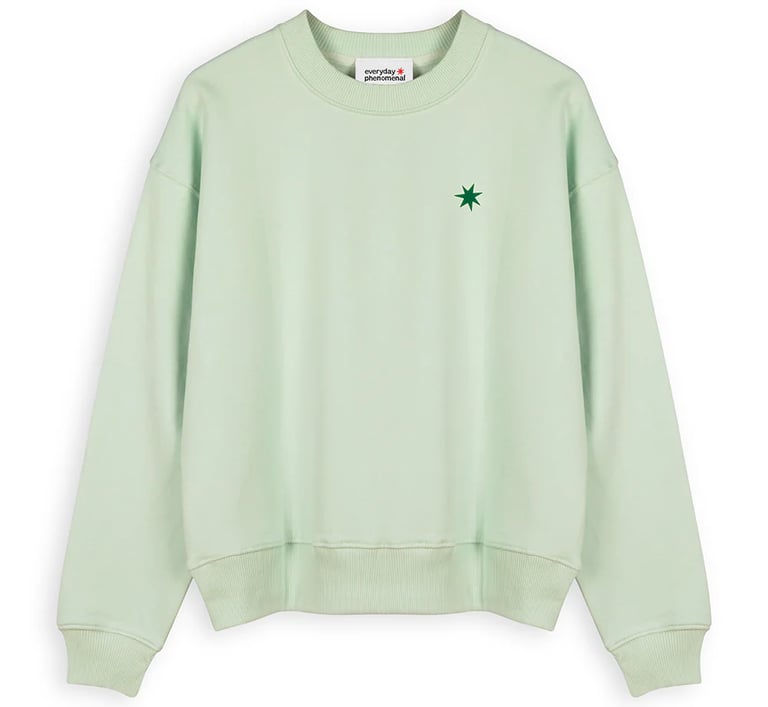
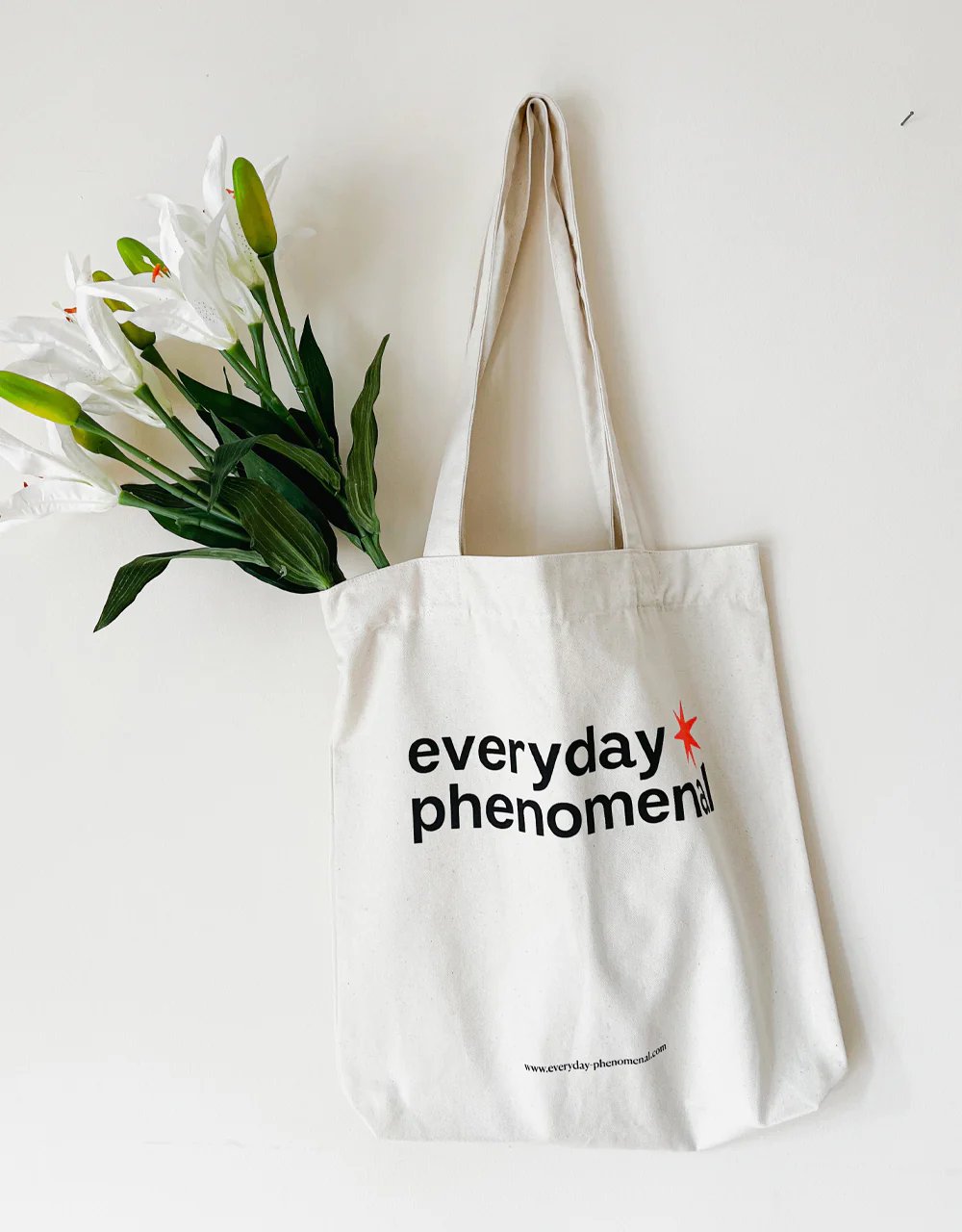
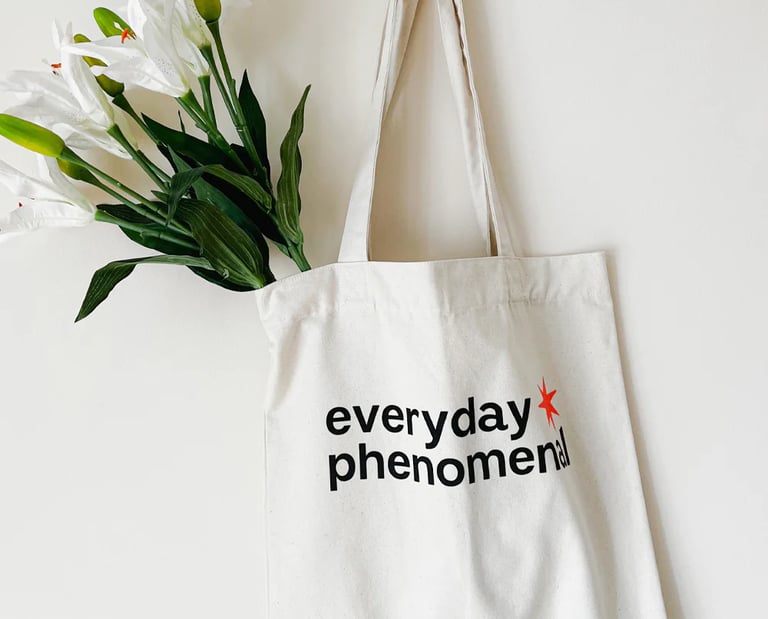
Mustafa’s latest venture, Everyday Phenomenal, marks an evolution of her philosophy. Based in London, the conscious womenswear label blends sustainability with wellbeing, positioning clothing not simply as something worn, but as something experienced.
Designed for busy, eco conscious women, Everyday Phenomenal offers thoughtfully curated wardrobe staples manufactured in the UK using durable OEKO TEX Standard 100 certified fabrics. The collection focuses on minimalistic essentials including T shirts, culottes, jumpers, casual dresses, sweatshirts and the brand’s signature tracksuits in a refined palette of red, pink, black, white and cream. The aim is simplicity without compromise, enabling women to dress comfortably while remaining stylish and environmentally aware.
Mustafa believes clothing can influence emotional wellbeing as much as appearance. Each garment is created using soft, nurturing fabrics intended to support daily comfort, while subtle design choices simplify decision making for modern lifestyles.
“I believe women’s wellness is hugely important but still untapped in the UK when combined with clothing,” Mustafa explains. “I am passionate about creating a brand that empowers customers and helps them live a better life. I have always wanted to create joy in women’s lives.”
Fashion meets mindfulness
What distinguishes Everyday Phenomenal is its holistic approach. Beyond garments themselves, the brand has launched an online wellness platform, The Circle of Feeling Good, offering resources designed to support mental and emotional wellbeing. From self care guidance to meditative exercises and motivational content, the hub reflects Mustafa’s belief that fashion can nurture confidence from within.
Even the clothing labels carry purpose. Adorned with artwork and inspirational messages, each includes a QR code that unlocks digital wellbeing content, encouraging moments of reflection and positivity throughout the day.
The brand’s broader vision extends further still. With plans to develop sustainable workwear and eco friendly sportswear for schools, Mustafa hopes to make ethical fashion more accessible while introducing younger generations to comfort driven, responsible clothing choices.
A mission beyond fashion
Priced from £40, Everyday Phenomenal aims to balance accessibility with quality, reinforcing Mustafa’s long standing mission to make sustainability mainstream rather than exclusive. For her, ethical fashion is not a niche movement but a necessary evolution.
Across her career, one theme remains constant: empowerment. Whether working with Bangladeshi weavers, mentoring female entrepreneurs or designing garments intended to support wellbeing, Mustafa’s work centres on helping people feel capable, confident and valued.
In an era when consumers increasingly question how and where their clothes are made, Ayesha Mustafa offers a compelling alternative vision for fashion. One where craftsmanship, ethics and emotional wellbeing coexist. One where clothing does more than dress the body. It supports the person wearing it.
And, as Everyday Phenomenal suggests, feeling good may be the most sustainable trend of all.


Ollēdi © 2026
Reframe your inbox
Subscribe to our newsletter and never miss a story.
We care about your data in our privacy policy.